
In October, Australians prepare to “spring forward” and reset their clocks and many look forward to longer, sunnier evenings. However, losing an hour of sleep overnight can throw your internal system into disarray. For states observing Daylight Saving Time including New South Wales, Victoria, South Australia, Tasmania, and the ACT – this seasonal shift acts as a sudden, miniature version of jetlag.
When your alarm rings an hour earlier according to the new time, your master biological clock is still running on the old schedule. This mismatch causes morning grogginess, fatigue, and sluggishness. Fortunately, understanding the science of your circadian rhythm and utilizing targeted morning light therapy can make the transition seamless.
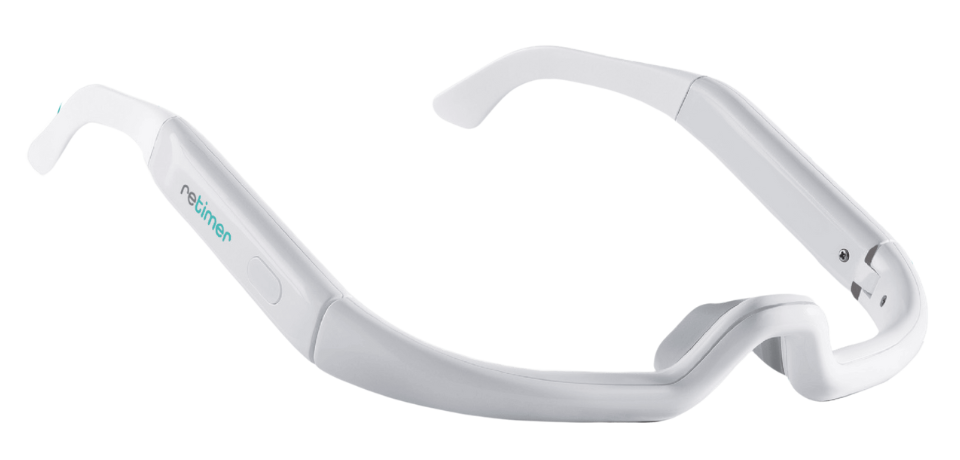
Simple strategies, paired with retimer light therapy glasses, make it easier to adjust, maintain energy, and protect your sleep routine.
DST Disrupts Sleep & Mood
Daylight is the strongest signal for your body clock, and shifting it by even an hour can trigger real biological disruption.
- Evening light delays melatonin: Extended daylight in October makes it harder to fall asleep earlier.
- Dark mornings reduce wake-up cues: Without bright sunlight in the morning, it’s difficult to feel alert.
- Impact on mood and productivity: Research shows higher rates of accidents, workplace errors, and fatigue during the week after a time shift.
- Winter blues effect: The April transition (end of DST) also brings earlier sunsets, which can trigger low mood and sluggishness.
Why Morning Light is Your Best Defense Against DST
As we know our bodies operate on an internal 24-hour clock that governs sleep, alertness, metabolism, and mood. Sunlight acts as nature’s ultimate reset mechanism.
When bright light enters your eyes early in the day, it signals the brain’s master clock to suppress melatonin (the sleep hormone) and trigger cortisol, serotonin, and dopamine. This chemical shift drives focus, energy, and emotional balance.
When clocks jump forward, your natural morning light cue is delayed relative to your social schedule. Wearing portable light therapy glasses, such as retimer, right after waking up helps bridge that gap. Emitting a precise spectrum of blue-green light, retimer tricks your brain into advancing its internal clock, helping you adapt to the new time zone effortlessly without being anchored to a stationary light box.
The DST Transition Checklist
Before the weekend of the time change arrives, keep this quick checklist handy:
- Advance manual clocks the night before the shift.
- Set your retimer glasses on your bedside table so they are ready for your morning routine.
- Wind down early on Saturday night to compensate for the lost hour of sleep.
- Commit to bright light exposure immediately upon waking on Monday morning to anchor your new schedule.
DST & Driving: A Road Safety Concern in Australia
The impact of Daylight Saving Time goes beyond feeling groggy, it disrupts sleep and can even compromise road safety.
- Driver fatigue: Even a single lost hour of sleep can leave you drowsy, especially during the morning commute.
- Body clock disruption: Your circadian rhythm needs time to adjust, which can slow reaction times and reduce alertness.
- Reduced morning light: Darker mornings may impair vision, making it harder for drivers to stay alert and for pedestrians to be noticed.
- Schedule stress: Time shifts in work, school, or social routines can add extra strain and distraction.
These changes, combined with abrupt shifts in driving schedules and reduced morning light, can raise the risk of accidents. Research shows that crash rates climb in the days following the DST transition, making it especially important for drivers to stay alert and cautious during this time.
The DST Challenge for Shift Workers in Australia

Shift workers already deal with disrupted sleep schedules and irregular hours, but when Daylight Saving Time begins in October, the challenges intensify. Losing an hour of rest and abruptly shifting the clock can make an already tough sleep routine even harder to manage.
Some of the key issues for Australian shift workers during DST include:
- Sleep deprivation: The one-hour loss makes it harder to align sleep with demanding work schedules.
- Circadian misalignment: Night shifts or rotating shifts already strain the body clock, and DST adds another layer of disruption.
- Increased fatigue: Reduced sleep quality and darker mornings amplify tiredness.
- Health risks: Long-term irregular sleep combined with DST transitions has been linked to cardiovascular issues, metabolic disorders, and mood disturbances.
- Stress and burnout: Balancing unusual work hours with the time change increases mental and physical strain.
For shift workers in Australia, the DST transition is more than an inconvenience, it can significantly impact sleep, performance, and overall well-being.
Why Choose retimer
| Feature/ Benefit | Traditional Light Boxes | retimer Light Therapy Glasses |
| Convenience | Stationary; requires sitting still for up to 45 minutes. | Lightweight and portable; moves with you while you get ready. |
| DST & Clock Shifts | Hard to fit into a busy, changing morning routine. | Effortlessly bridges the gap during seasonal shifts. |
| Light Exposure | Hard to maintain the correct angle. | Targeted blue-green light delivered hands-free. |
| Mood & Sleep | Helps regulate sleep and mood, but confines you. | Boosts energy and sleep quality on-the-go. |
| Seasonal Versatility | Fixed delivery. | October: Wakes you up on dark mornings. April: Supports energy through dark evenings. |
Practical Tips for Smoother DST Transitions
Before the October “Spring Forward”
- Wake up earlier gradually: Begin waking up 20–30 minutes earlier for 2–3 days before DST. With retimer 3 light therapy glasses and the retimer mobile app, you can create a personalized schedule to adjust more easily.
- Don’t sleep in on the weekend: Set an alarm to help you maintain your adjusted. schedule.
- Get morning sunlight: Step outside soon after waking, walk the dog, have breakfast outdoors, and skip sunglasses for the first 2–3 hours.
- Adjust bedtime: Shift your bedtime slightly earlier each night before the switch, and keep evening lights dim to support natural melatonin release.”
- Watch caffeine: Keep tea and coffee to the morning hours; avoid caffeine after midday.
- Maintain consistency: Avoid procrastinating bedtime when you feel sleepy.
After the October DST Change:
- Prioritize recovery: Avoid overloading your schedule immediately after the transition.
- Drive with caution: Sleepiness can increase accident risk during the first week.
- Use strategic naps: A brief 10-minute midday nap can boost alertness without affecting nighttime sleep.
- Time your exercise: Schedule workouts for mornings or afternoons; avoid vigorous activity close to bedtime.
To Conclude
Daylight Saving Time may have begun as a way to enjoy more sunshine, but today it’s often a challenge for our sleep, energy, and mood. Whether it’s the spring forward in October or the fall back in April, your body needs time and the right light to adjust.
retimer light therapy glasses help guide your circadian rhythm through these transitions, keeping your sleep, focus, and energy on track year-round.