In a world where screens are extensions of ourselves, artificial light is everywhere, from our phone screens to energy-efficient light bulbs.
Could exposure to artificial light affect your waistline?
Let’s first understand how our body stores and digests food and eventually fuels up with energy.
The Daily Rhythm of Your Metabolism
During the daytime, when individuals are active and consume food, glucose is metabolized and food is stored as body fat. This is generally stored as carbohydrates and is stimulated by increase in insulin secretion. It helps in the synthesis of compounds that are not dissolved easily in water and activates a protein in the body that helps break down fat in the blood so the body can store it or use it for energy. At the same time, our body uses more energy and works harder to help digest the food.
We can say that the body’s daily rhythm is to be hungry by day and be active all the way.
One of the main reasons is that hormones like ghrelin (which makes you feel hungry) increase, while leptin (which makes you feel full) decreases, encouraging eating.
Excessive eating without thinking, in turn, leads to weight gain.
The Connection Between Artificial Light Exposure and Weight Gain
Artificial light exposure influences weight regulation through several pathways:
1. Sleep Disruption
Short or poor-quality sleep is linked to:
- Reduced insulin sensitivity
- Increased ghrelin (hunger hormone)
- Reduced leptin (satiety hormone)
When sleep is compromised, appetite regulation becomes less stable the next day.
2. Altered Eating Timing
Light exposure extends wakefulness. Longer waking hours often lead to:
- Later meals
- Increased snacking
- Higher caloric intake at night
Late-night eating is associated in research with impaired glucose tolerance compared to daytime eating.
3. Circadian Misalignment
Shift workers provide a clear example. Studies consistently show higher rates of obesity and metabolic syndrome in populations with chronic circadian disruption.
Eating and being active at times when the body expects rest can reduce metabolic efficiency.
The Primary External Cue for Synchronization of Body Clock is Light
Light plays a powerful role in regulating your circadian rhythm, your body’s internal clock that governs your sleep-wake cycle, appetite, hormone release, and metabolism. This rhythm is deeply influenced by light cues.
When you expose yourself to artificial light, it can throw off this natural rhythm. The result?
- Increased risk of obesity
- Disrupted sleep cycles
- Higher late-night cravings
- Slower metabolism
In short, artificial light can confuse your body into thinking it’s still daytime, interfering with your natural cues to rest, digest, and restore. This eventually results to poor sleep, delayed sleep onset, reduced sleep quality, altered and disrupted metabolism, and increased cravings—conditions that can all lead to weight gain over time.
Using retimer Light Therapy Glasses
Light therapy has shown promising results in improving mood, boosting energy levels, and even supporting weight management. Bright light exposure helps regulate hormones like cortisol and melatonin, which can influence appetite and fat storage.
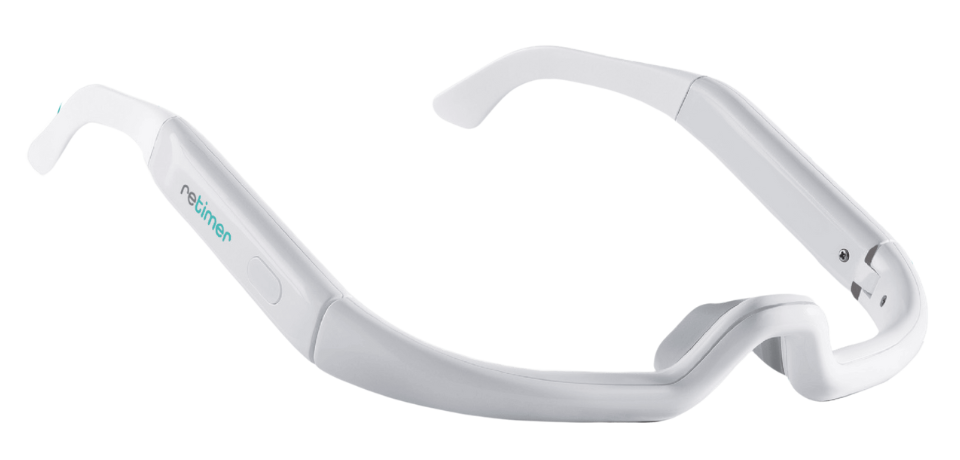
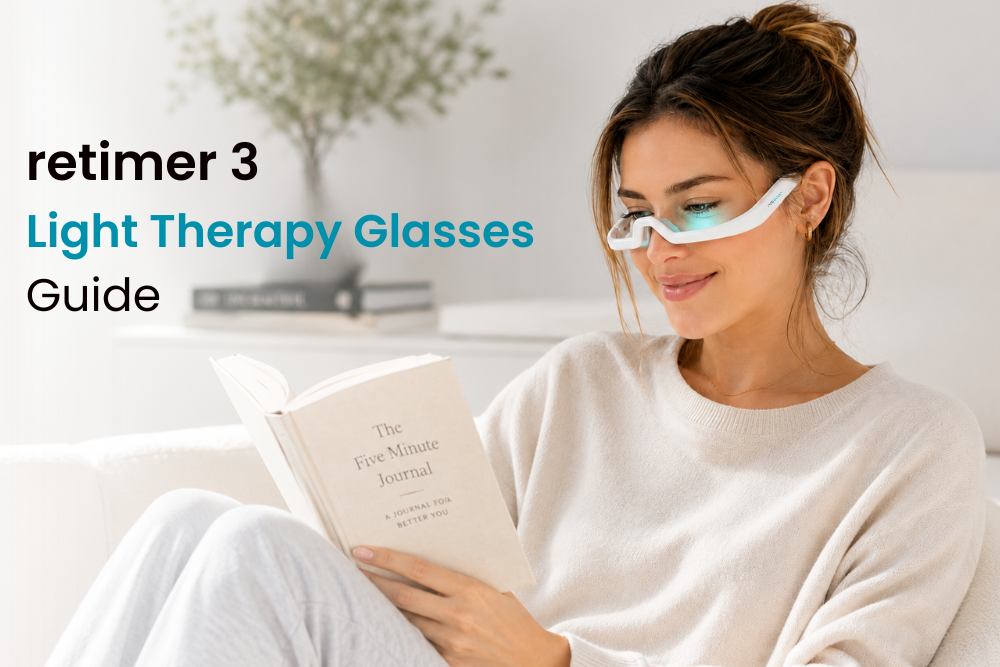
The retimer light therapy glasses emit a gentle blue-green light designed to help reset your circadian rhythm. They simulate morning sunlight and are often used to manage jet lag, seasonal affective disorder (SAD), and sleep disturbances. With consistent use, they can be highly effective.
Mind the Light, Manage the Weight
Light therapy glasses can be helpful for wellness, especially for mood and sleep disorders. If you’re trying to lose weight or manage your metabolism, paying attention to your eating and exercising would be just as important.
So next time you’re tempted to scroll in bed or wear retimer glasses, remember: Your circadian rhythm
Every time you choose discipline, you’re making a powerful investment in a healthier, more balanced you.