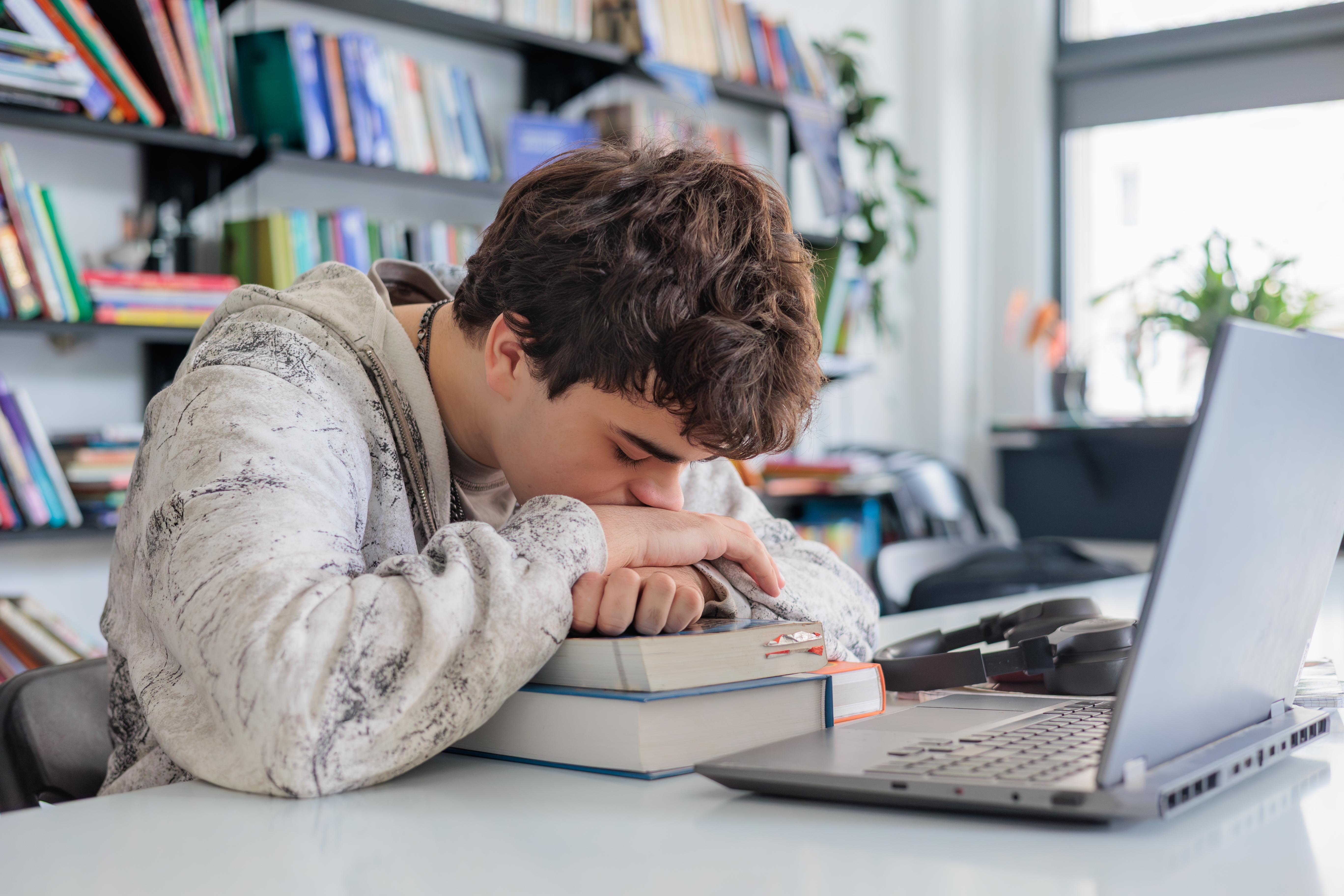
If you are the parent of a teenager, you probably know the morning battle well. The alarm rings, the sun is barely up, and your teen is still asleep under a blanket fortress. It looks like laziness, but it is not. Research shows that during the teenage years, the body’s internal sleep clock naturally shifts later, making it harder for adolescents to fall asleep early and wake up refreshed for morning routine. Combined with increasing screen time, academic pressure, and early school schedules, many teenagers today are operating on chronic sleep debt.
According to the Centers for Disease Control and Prevention (CDC), nearly 73% of high school students do not get the recommended amount of sleep on school nights, leading to growing concerns around concentration, mood, academic performance, and long-term wellbeing. Early school timings may also be a factor contributing to an ongoing sleep deficit that sleep doctors now describe as an epidemic of teen exhaustion.
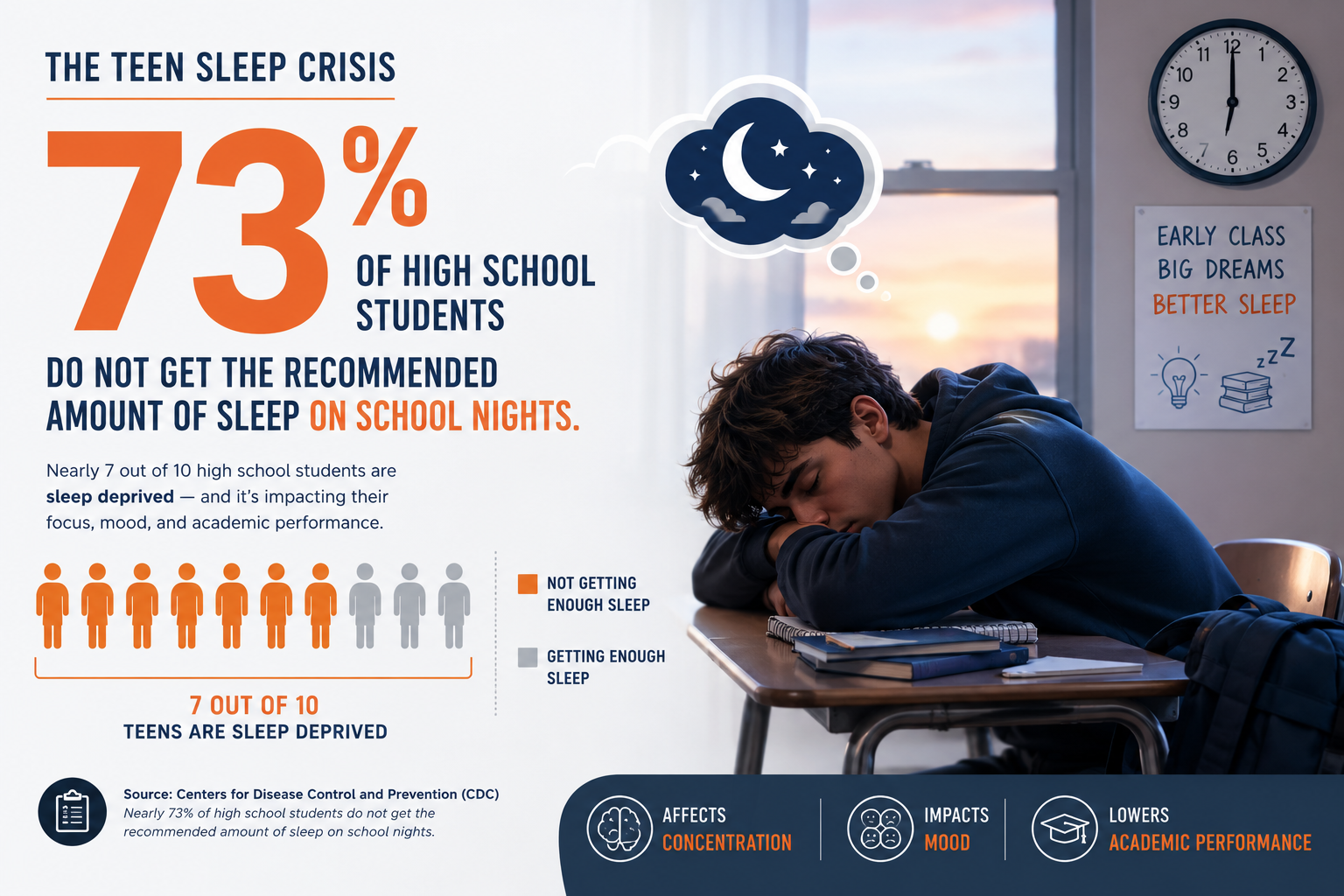
Recent studies show the scale of the problem has only grown since the pandemic years, when school routines, screen time, and stress disrupted sleep even more. Stanford Medicine reports that over 87 percent of American high school students sleep less than the recommended eight hours a night. Worldwide, the situation is similar, with around 70 percent of adolescents running on too little sleep.
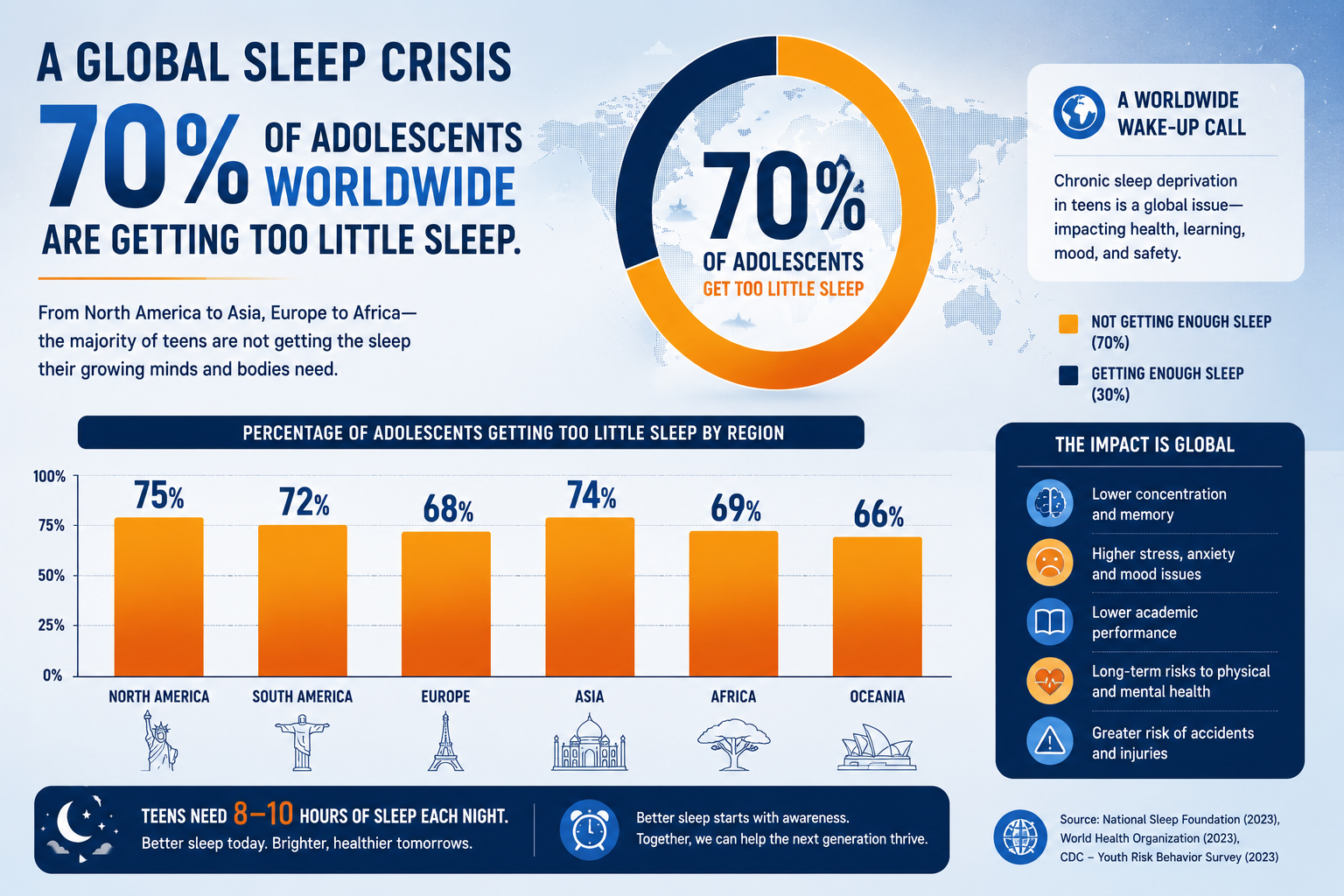
This shortage of sleep affects learning, mood, safety, and even long-term physical health. Chronic sleep loss in teenagers is linked to anxiety, poor focus, lower grades, and more frequent accidents.
Why Biology Wins Against Alarm Clocks
Many parents assume that stricter routines or earlier bedtimes will solve the issue. In reality, the challenge is often biological rather than behavioural. Even highly motivated students can struggle to feel alert early in the morning since their body clock naturally shifts later during adolescence.
Sleeping late is not a matter of choice for most teens. In teenagers, the brain naturally delays the release of melatonin, the hormone that tells the body night has arrived. As a result of this natural delay, their internal clock runs behind school and social schedules. Research has also shown that teenagers perform worse when theircircadian rhythm (body clock) and school schedule are out of sync, even if their total hours of sleep are adequate.
In more extreme cases, this delayed body clock can develop into Delayed Sleep-Wake Phase Disorder (DSWPD), a condition in which the body’s sleep timing shifts several hours later. Teenagers with DSWPD are often unable to fall asleep late after midnight, even when they are tired, and may struggle to wake up until late morning or noon. This isn’t a habit of staying up late. Their body clock is genuinely misaligned with school schedules and daily routines.
Chronic sleep restriction can affect focus, memory, mood, and academic performance, though what appears as lack of discipline is often a biological mismatch between the body clock and early morning demands.
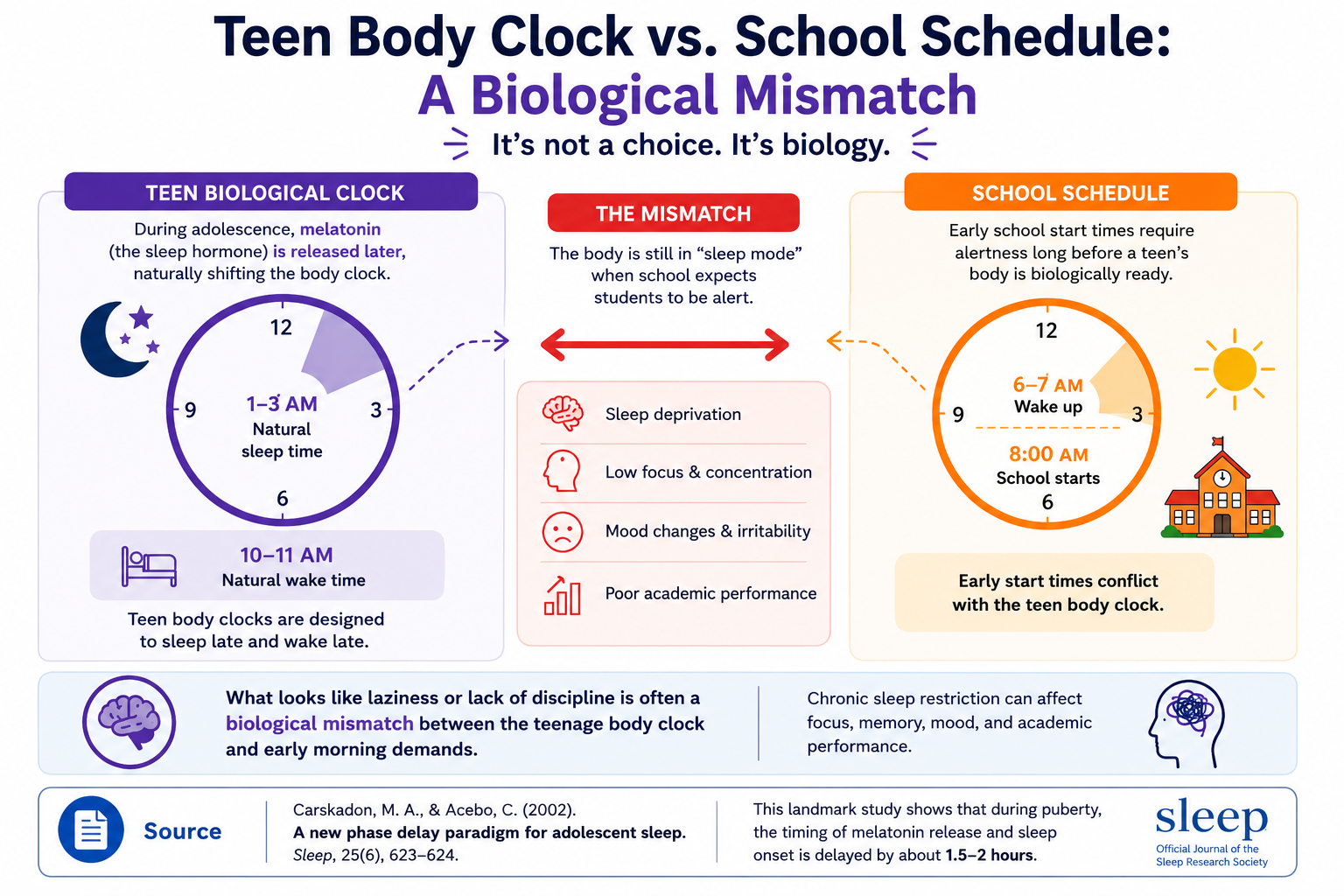
The Challenge Behind Teen Sleep Struggles
When the brain is not ready to release melatonin, falling asleep can feel nearly impossible even when a teen is tired. As a result, many students spend hours lying awake, only to wake up exhausted a few hours later for school.
Lifestyle habits can make the problem worse to manage. Late-night screen exposure, irregular weekend sleep schedules, academic stress, and reduced morning sunlight can all push the body clock further out of sync. This creates a cycle where teenagers struggle to fall asleep at night may rely on caffeine during the day, and attempt to catch up on sleep over weekends, often worsening the disruption.
The Science of Light and the Human Clock
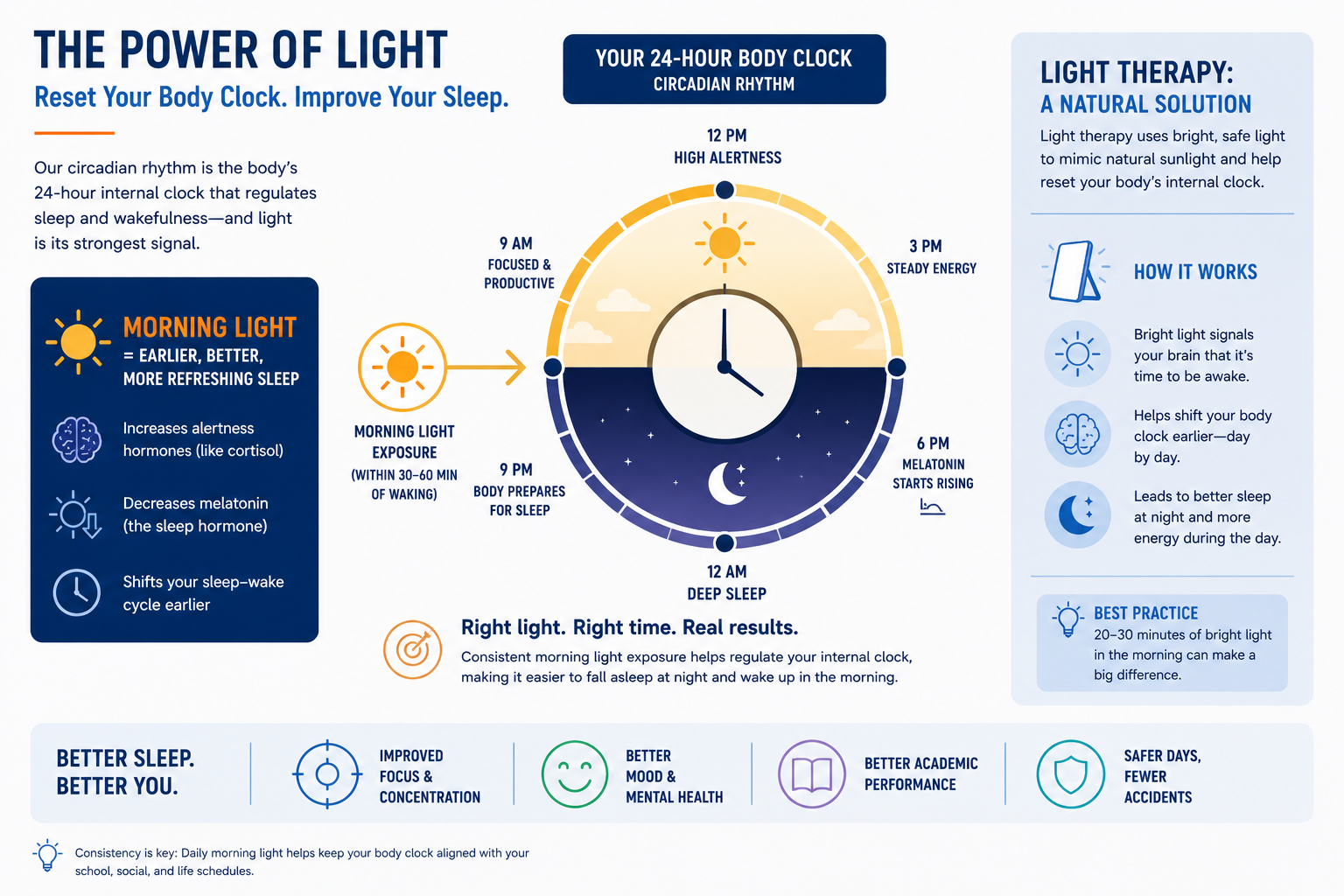
Light acts as a powerful signal that tells the brain when the day should begin. Exposure to the right type of light at the right time can gradually shift the sleep schedule earlier. This is also why natural sunlight helps people feel more awake in the morning and sleepier later at night.
This effect can be especially important for teenagers and people with delayed sleep patterns. Exposure to bright light soon after waking can gradually shift the body clock earlier, making it easier to fall asleep at night and wake up in the morning. Over time, light therapy can help improve alertness, daytime energy, mood, and overall sleep quality by bringing the body’s internal rhythm closer to daily schedules such as school or work.
Even small improvements in sleep timing for students can create noticeable benefits throughout the day. Waking up feeling more alert may improve concentration during morning classes, reduce reliance on caffeine, support mood regulation, and make studying or sports feel less exhausting.
As awareness of adolescent sleep health continues to grow, researchers and clinicians have increasingly explored practical tools that may help support healthier circadian timing in everyday life.
The Solution: retimer Light Therapy
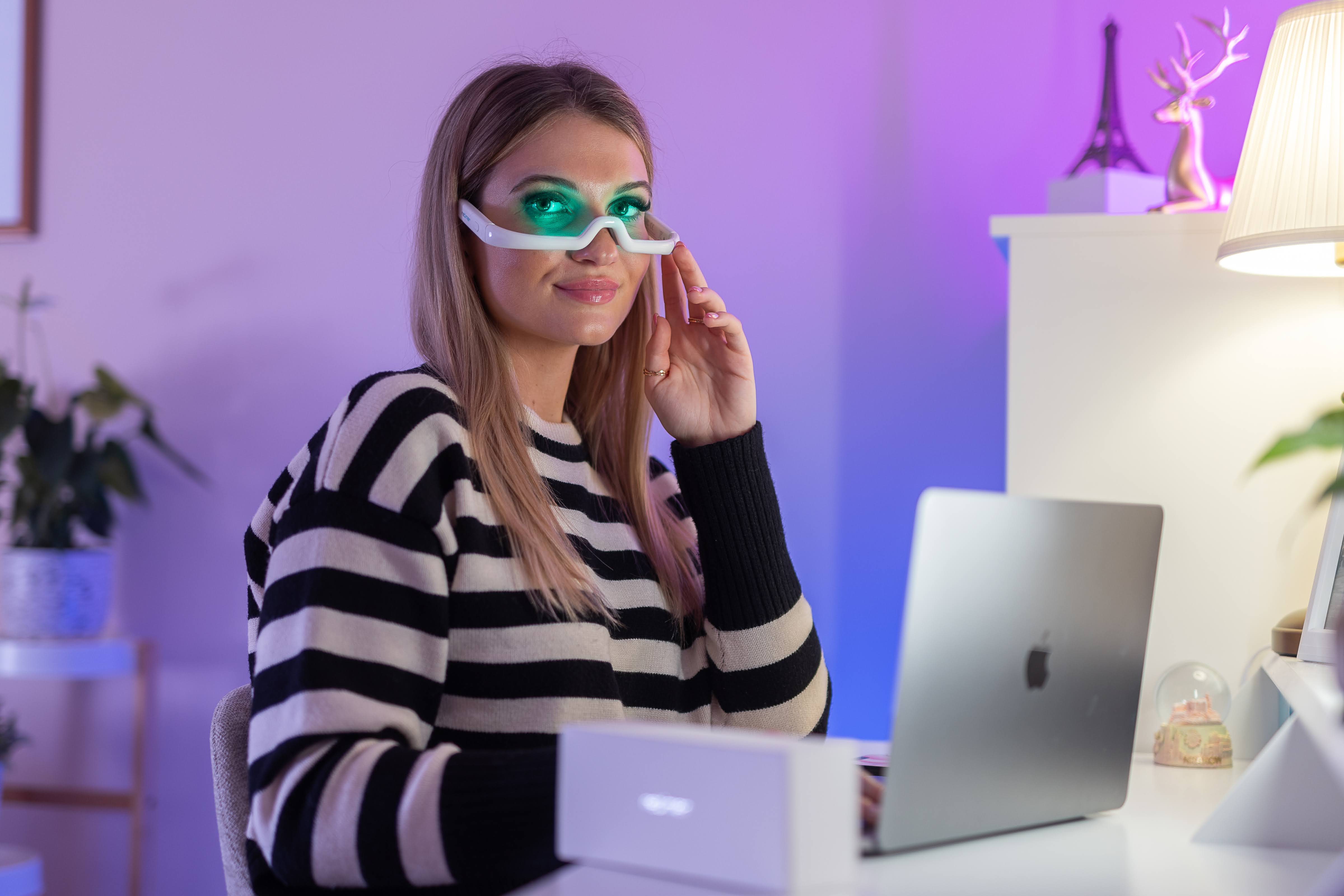
Teenagers are not designed to function like adults when it comes to sleep timing. Research continues to show a strong connection between light exposure, circadian rhythms, and adolescent wellbeing. For families navigating late nights and difficult mornings, supporting the body clock rather than fighting against it may be an important step toward healthier sleep and better daily performance.
Growing attention is being placed on approaches that support the body’s natural circadian rhythm rather than working against it. Light therapy has emerged as one of the most widely studied non-invasive approaches for helping shift sleep timing earlier and supporting healthier sleep patterns.
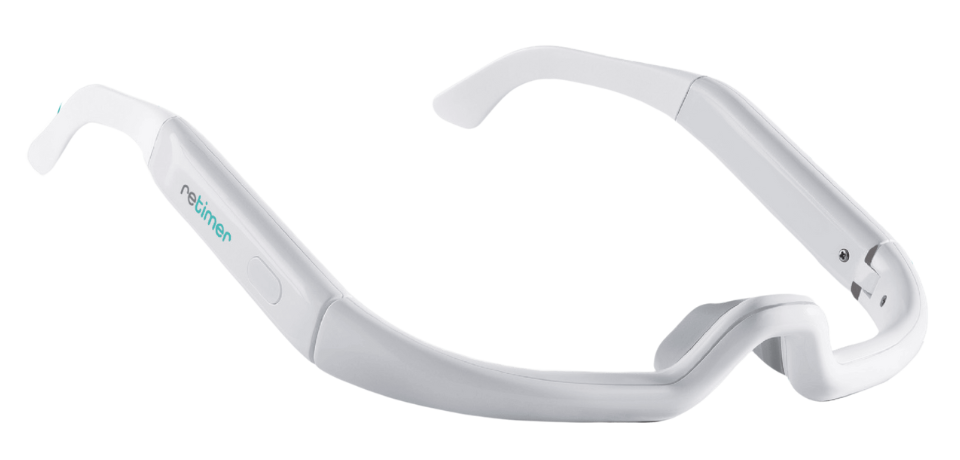
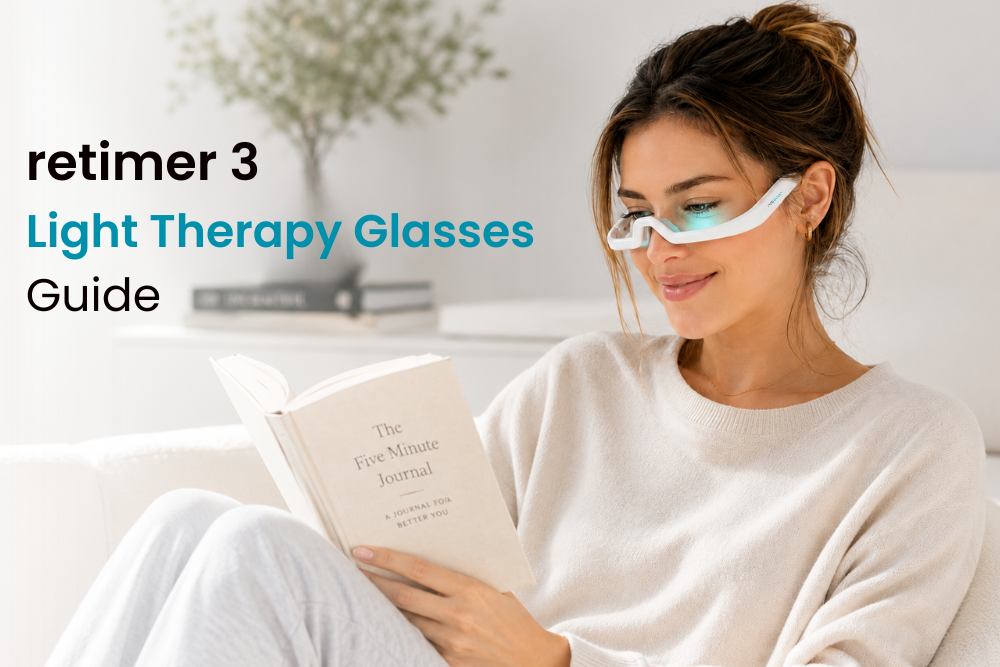
Flinders University investigated how retimer light therapy glasses could help adolescents and young adults experiencing delayed sleep patterns and Delayed Sleep-Wake Phase Disorder (DSWPD). The research found that consistent morning bright light exposure helped participants fall asleep earlier, wake earlier, sleep longer, and feel more alert during the day. Improvements were also observed in daytime fatigue, mood, and aspects of cognitive performance, including memory and information processing. The findings reinforced that many teenage sleep difficulties are driven by biological shifts in the body clock rather than poor habits.
A 2018 study published in the journal Sleep Medicine found that exposure to morning light helped participants fall asleep earlier, sleep longer, and feel more alert in the morning. Another study, published in Sleep in 2011, showed that combining light therapy with Cognitive Behavioral Therapy for Insomnia (CBT-I) led to even stronger and longer-lasting improvements in sleep timing and fatigue.
Reviews continue to reinforce these findings. A 2021 paper published in Chronobiology in Medicine highlighted wearable light therapy as a practical and promising way to help reset the circadian rhythm. Researchers have also explored its benefits beyond sleep disorders, including improving mood and helping the body adapt more easily to challenges such as jet lag and shifting time zones.
As awareness around adolescent sleep health continues to grow, supporting healthy circadian rhythms may become an increasingly important part of helping teenagers manage academic demands, mental wellbeing, and everyday performance in a world built around early schedules.