
Sleep and insomnia can be influenced by many factors, including sleep habits, stress, health conditions and the timing of the body’s circadian rhythm. When sleep problems are related to a misaligned body clock, appropriately timed light exposure may help shift circadian timing. retimer provides wearable light therapy that can be scheduled according to the desired change in sleep and wake times.
That seems like a fair question. But it also sounds like a question that implies a disease or disorder, like “do you have pneumonia”? Although “insomnia” is a single word, it is not a disease in the normal sense.
“Insomnia” is not a specific problem, but can be a range of problems with a range of different causes. It is a complex problem that involves all aspects of our being (biological, mental, and social). In general, insomnia is the inability to get adequate sleep despite enough opportunity in bed.
The sleeping difficulty you experience may be that you take a long time to fall asleep first thing at night. The difficulty can be with many and long awakenings across the night. It can be waking earlier than intended and not being able to get back to sleep. Or it can be a combination of these difficulties.
But the most important indication that your sleep is not adequate is when you feel exhausted, tired, irritable, and may have trouble concentrating or remembering things. If you have these troublesome daytime symptoms as well as difficulty getting to sleep and staying asleep, this book is for you.

Yes. It is now clear that non-drug therapies provide better long-term improvement of sleep and daytime feelings. This conclusion comes from substantial scientific medical research and increasing clinical experience.
We invite you to contact us with any questions relating to light therapy queries: [email protected]
4.42
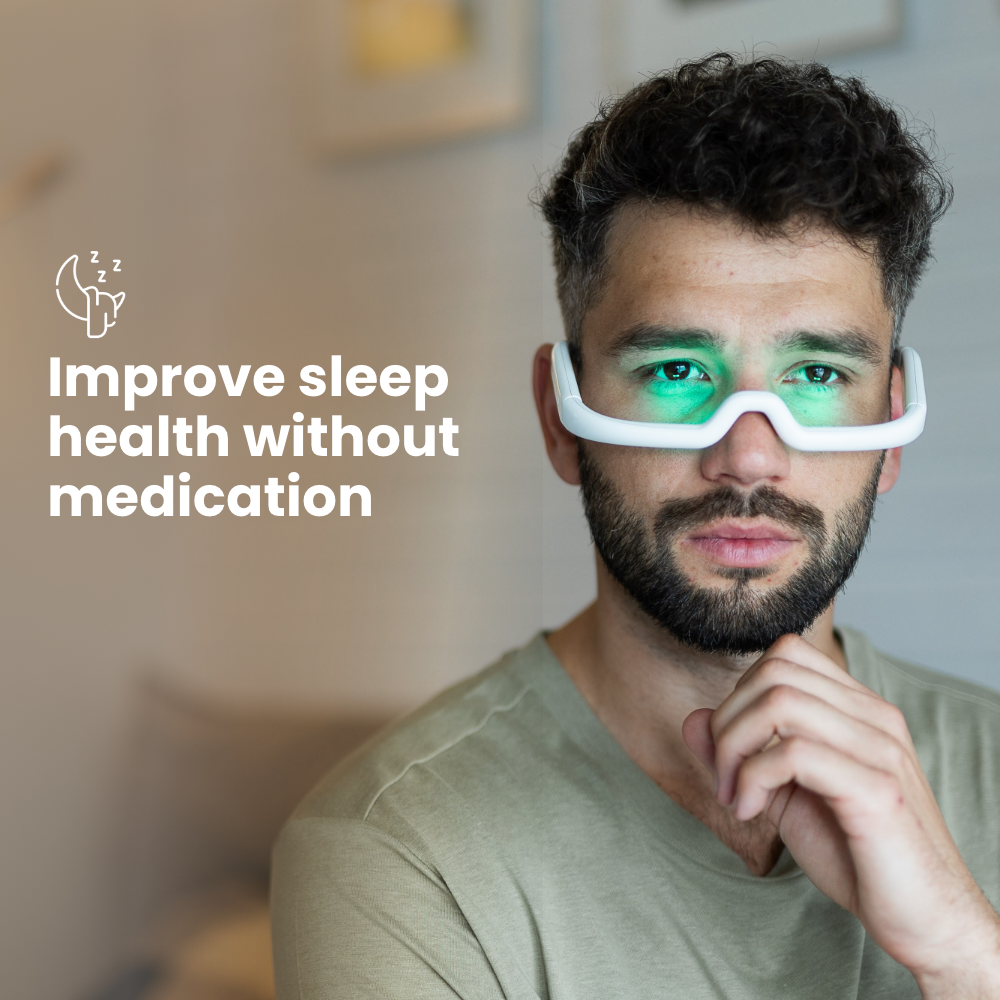

Insomnia is a sleep problem that can involve difficulty falling asleep, staying asleep, waking too early, or experiencing sleep that does not feel restorative. Occasional poor sleep is common, while persistent sleep problems may require assessment by a qualified healthcare professional.
Insomnia can have many contributing factors, including stress, changes in routine, inconsistent sleep schedules, environmental factors, medical conditions, medications, and disruption of the body’s circadian rhythm. Identifying the underlying factors can help determine the most appropriate approach.
Insomnia describes difficulty with sleep, while a disrupted circadian rhythm relates to the timing of your body’s sleep-wake cycle. The two can overlap. For example, someone whose body clock is shifted later may struggle to fall asleep at a conventional bedtime even when they are tired.
The circadian rhythm is the body’s approximately 24-hour internal timing system. It helps regulate when you feel alert and when you feel sleepy. Light is one of the most important environmental signals used by the body to synchronize this rhythm.
Light therapy can help influence the timing of the circadian rhythm when used at an appropriate time. Depending on the desired change in sleep timing, light exposure may be used in the morning or evening. The appropriate timing depends on the individual’s sleep pattern and goal.
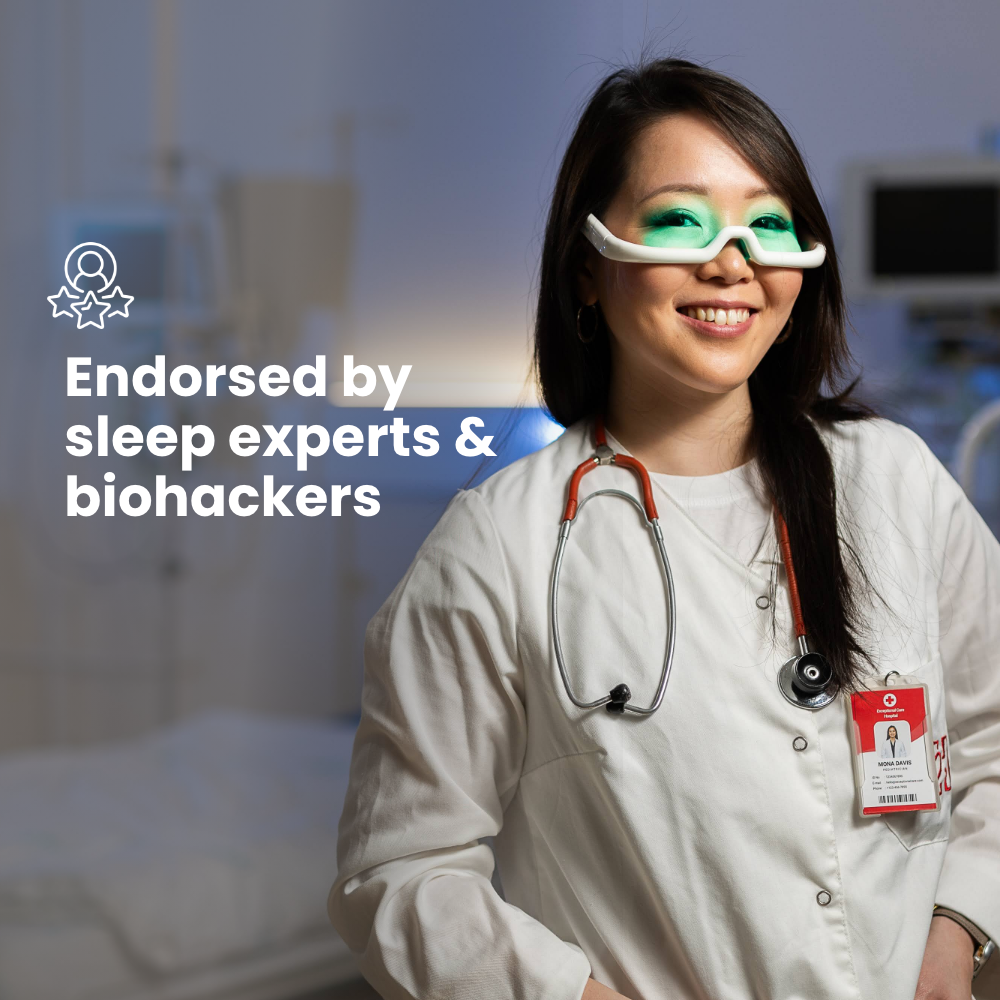
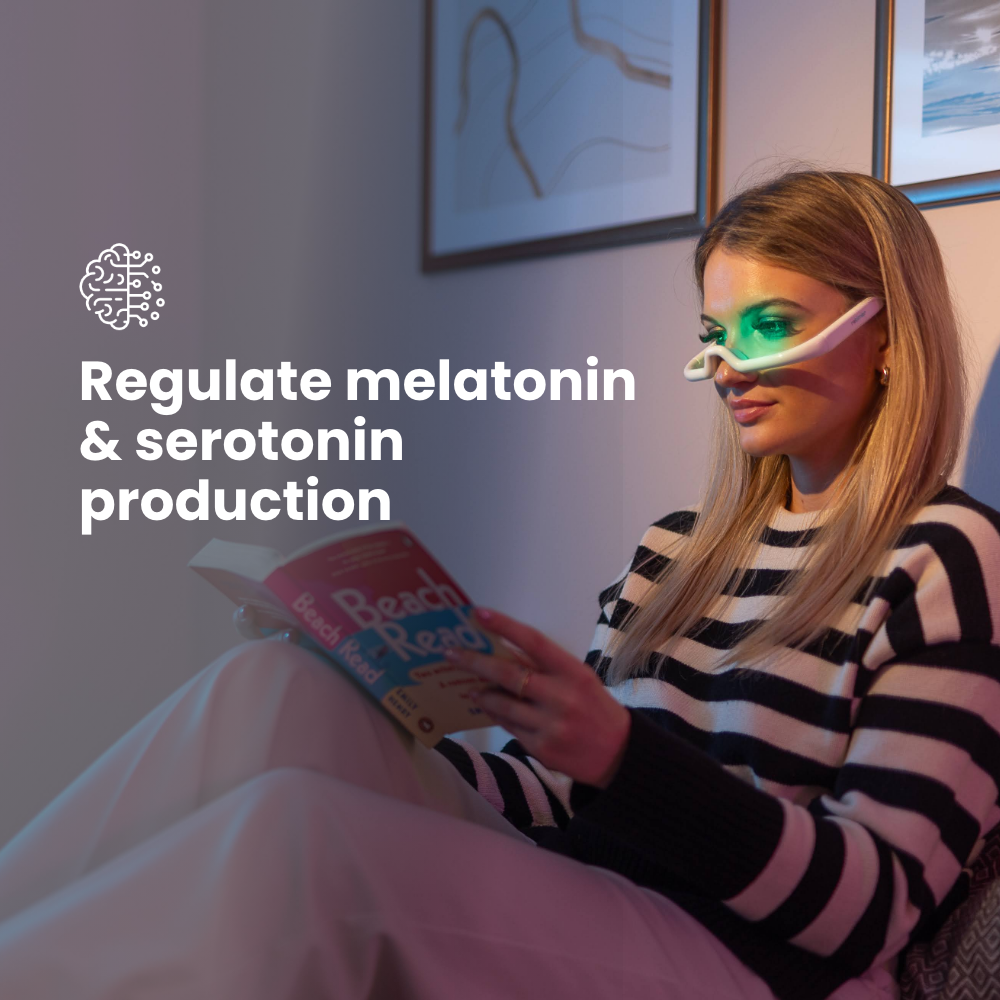
retimer is a wearable light therapy device designed to provide controlled light exposure that can help influence circadian timing. Its purpose is to help users adjust the timing of their sleep and wake cycle when used according to an appropriate schedule. retimer states that its technology was developed from more than 25 years of circadian and sleep research.
The appropriate timing depends on the direction in which you want to shift your sleep schedule. In general, morning light exposure tends to shift the body clock earlier, while appropriately timed evening light can shift it later. retimer recommends using its app to help create a schedule based on your sleep goal.
The response varies between individuals and depends on the sleep schedule, timing of light exposure, consistency and the desired circadian shift. retimer notes that some people notice changes in sleep or energy relatively quickly, while shifting sleep and wake times generally occurs progressively and may take around one to two weeks.
It may be useful when difficulty falling asleep is related to a delayed or misaligned circadian rhythm. The timing of light exposure is important because morning and evening light can produce different effects on circadian timing. Persistent or severe insomnia should be discussed with a healthcare professional.
Early-morning awakening can sometimes be associated with an advanced circadian rhythm. Appropriately timed evening light may help shift circadian timing later in some circumstances. The correct schedule depends on the individual’s sleep pattern, so personalised guidance may be appropriate.
retimer is a light therapy device and should not be presented as a replacement for prescribed medication or professional insomnia treatment. Cognitive behavioural therapy for insomnia (CBT-I) is an established treatment for insomnia, and people with persistent sleep difficulties should discuss appropriate treatment options with a healthcare professional.
Not necessarily. Therapeutic light devices are designed around specific characteristics such as light intensity, wavelength and exposure timing. Natural daylight is also an important circadian cue, while a light therapy device provides a more controlled and portable form of light exposure.
One of the advantages of wearable light therapy is that it can be used while performing compatible everyday activities rather than requiring you to sit directly in front of a conventional light box. Follow the device instructions and recommended schedule when using retimer.
Consistency is important when trying to influence circadian timing. The recommended frequency, session duration and timing depend on the sleep goal and should follow the schedule provided by retimer or a qualified healthcare professional.
Not necessarily. Insomnia can have many different causes, and light therapy is particularly relevant when circadian timing is part of the problem. If you have persistent insomnia, an underlying medical condition, eye problems, take medication that increases light sensitivity, or have another condition that could affect light therapy, speak with a healthcare professional before starting.
retimer is designed as a light therapy device, but individual suitability can vary. Follow the manufacturer’s instructions and consult a healthcare professional if you have an eye condition, light sensitivity, take photosensitising medication, or have another medical concern that could affect your use of bright light therapy.
CBT-I stands for Cognitive Behavioural Therapy for Insomnia. It is a structured behavioural treatment that addresses factors contributing to persistent insomnia. Techniques may include managing time in bed, strengthening the association between bed and sleep, and developing consistent sleep behaviours.
Sleep restriction therapy is a component of CBT-I that limits time in bed to increase sleep drive and improve sleep efficiency. It should be appropriately structured, particularly for people with significant sleep problems or other medical conditions.
Light therapy can be one part of a broader sleep routine. Consistent wake times, appropriate exposure to daylight, a suitable sleep environment and evidence-based behavioural strategies can also be important. For persistent insomnia, professional assessment can help determine which combination is appropriate.
Consider speaking with a healthcare professional if sleep difficulties are persistent, significantly affect your daytime functioning, occur alongside other concerning symptoms, or do not improve with reasonable changes to your sleep routine. A professional can help identify possible causes and appropriate treatment.