Some nights, five hours of sleep leaves you fine. Other nights, seven hours still leaves you dragging. Core sleep explains that gap.
Core sleep is the minimum amount of sleep your body needs to function normally the next day. It isn’t a single stage of sleep — it’s a mix of light sleep and deep sleep working together, forming the foundation the rest of your night’s rest is built on.
In plain terms: core sleep is the least amount of decent sleep you can get away with and still act like a functioning human being.
People use this term loosely, and the mix-up is understandable. Core sleep isn’t REM sleep, and it isn’t deep sleep on its own — it’s the base layer that everything else builds on top of.
Think of it as the sleep that keeps you alive and recovering. Anything past that point is bonus rest that makes you sharper and more energized the next day. For most people, that core amount falls somewhere between 4 and 6 hours, though the exact number shifts depending on stress levels, daily activity, and overall health.

These two terms get confused constantly, so here’s the distinction.
Core sleep isn’t one stage — it’s a combination, mostly light sleep plus deep sleep, and its job is keeping your body running day to day. It’s the floor you don’t want to fall below.
Deep sleep, also called slow-wave sleep, is one specific stage within that mix. It’s where most physical repair happens: muscle recovery, immune system maintenance, and related processes. It’s also the stage where someone is hardest to wake up.
Deep sleep lives inside core sleep. Core sleep is the umbrella; deep sleep is one important process happening underneath it.
Missing core sleep does more than make you tired. It affects your energy levels, memory, hormone regulation, and your body’s ability to repair itself overnight.
When you fall short on it, the effects show up quickly: unexplained exhaustion, trouble focusing, a shorter temper, and a drop in performance at work or school.

Light exposure is one of the strongest levers for hitting your core sleep number consistently. Your body’s internal clock, or circadian rhythm, takes its timing cues largely from light — bright light in the morning signals it’s time to be awake, and dim light in the evening signals it’s time to wind down.
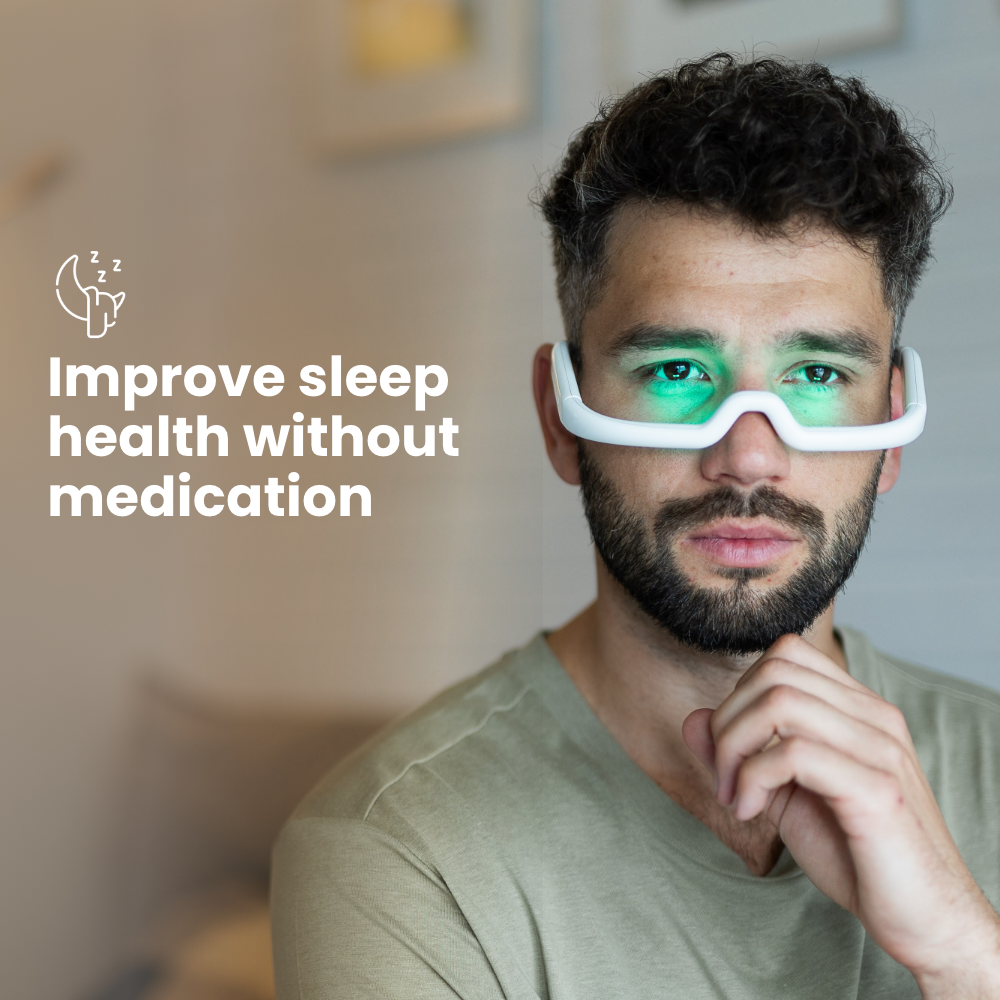
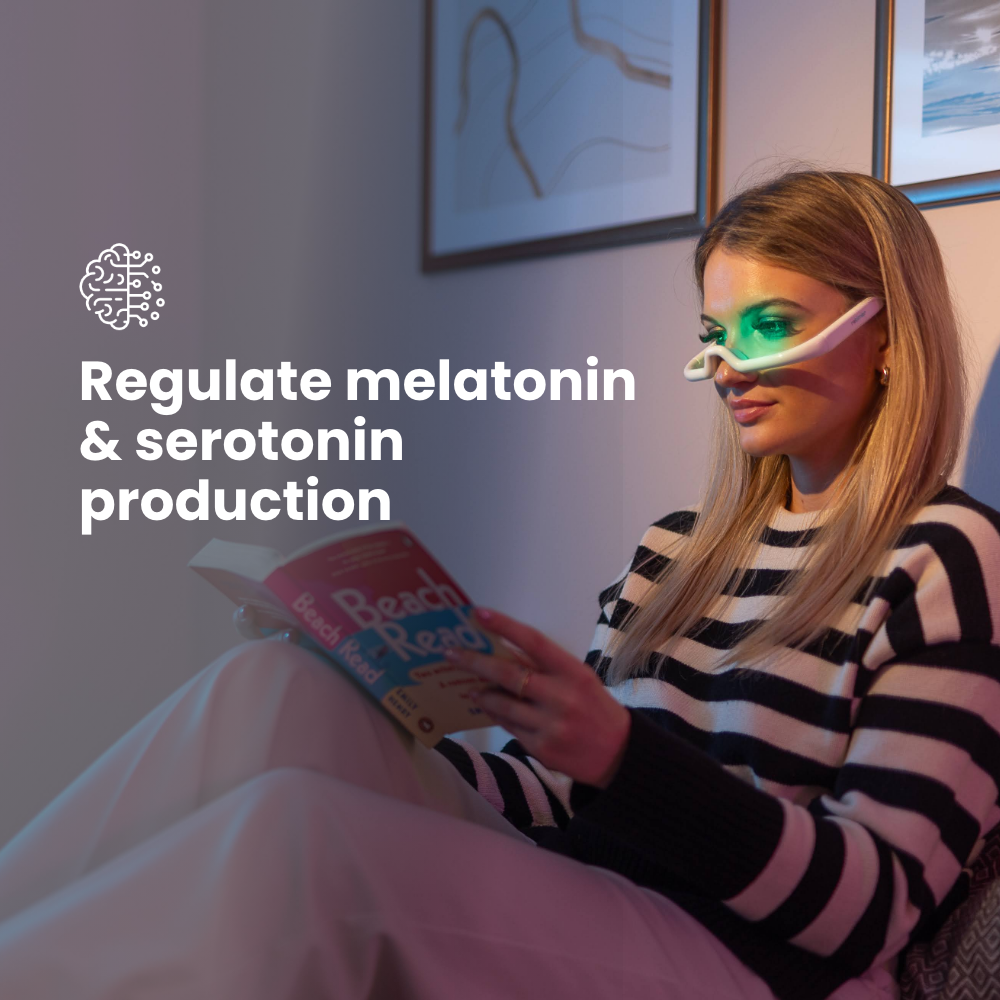
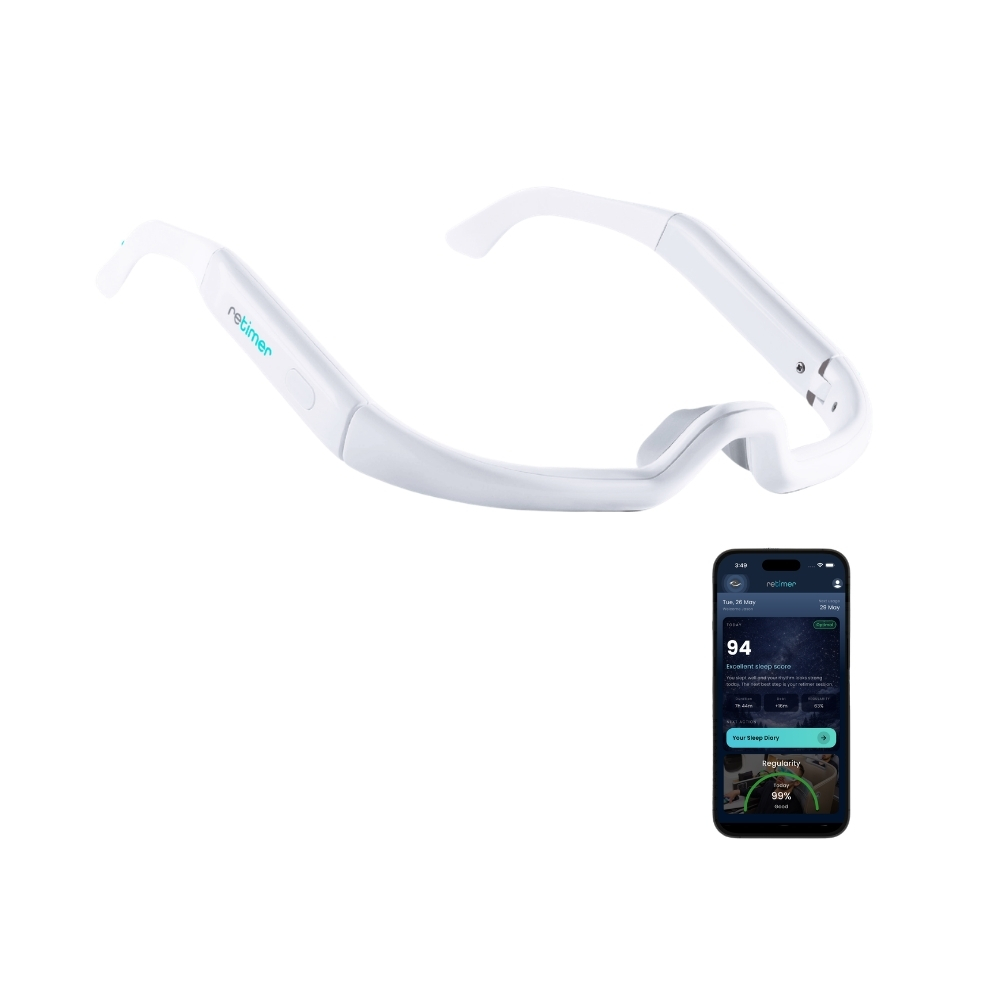
Light therapy uses a bright light box, typically in the morning, to reinforce that signal. It’s commonly used by people with irregular schedules, shift workers, or anyone whose natural light exposure is limited during the darker months. By anchoring your circadian rhythm, light therapy can make it easier to fall asleep at a consistent time and reach your core sleep target without needing to force it.
The reverse also matters: reducing light exposure, especially from screens, in the hour or two before bed helps your body wind down and reach the light-and-deep-sleep mix that makes up core sleep in the first place.
Core sleep isn’t about racking up hours in bed — it’s about hitting the minimum amount your body actually needs. Deep sleep handles a lot of the physical recovery work, but core sleep is what determines whether you’ll feel human tomorrow.
To protect it, keep a consistent sleep schedule, put your phone down earlier in the evening, get bright light exposure in the morning (natural or through a light therapy box), and keep your bedroom calm enough to actually fall asleep in.
For most adults, core sleep falls between 4 and 6 hours. This varies by individual, stress level, and overall health.
No. Core sleep is a combination of light sleep and deep sleep. Deep sleep is one specific stage within that combination.
Light therapy helps regulate your circadian rhythm, which can make it easier to fall asleep and wake up at consistent times, supporting a more reliable core sleep pattern.
Falling short on core sleep leads to fatigue, poor focus, irritability, and reduced performance in daily tasks.
4.42