
Sleep needs and sleep patterns change throughout life. Babies and children generally need more sleep, teenagers often experience a natural shift toward later sleep and wake times, adults typically need around 7–9 hours of sleep, and older adults may experience lighter sleep, more nighttime awakenings and earlier waking. Menopause can also affect sleep through hot flushes and nighttime awakenings. Understanding these age-related changes can help you distinguish normal changes in sleep from persistent problems that may require professional advice. Light exposure and the circadian rhythm also play an important role in determining when we feel awake and when we feel ready to sleep.
How often have you heard or read the advice “you should get 8 hours of sleep at night” as if we all required the same amount of sleep? Many things determine how much sleep will satisfy our individual needs for sleep.
Sleep need varies between individuals just as other physical characteristics such as height and hair colour. Some people need only 6 hours sleep to feel fine during the day, however someone else may need 9 hours.
Also there are normal changes to sleep as we age just as there are in other biological respects such as the decrease in resting metabolic rate, resilience of skin, and hair colour. Amount of sleep changes across our life time reducing from about 16 hours at birth, to 10 hours in chil-dren, 9 hours in adolescence, about 8 hours in early adulthood and 6-7 hours in older people.
Our sleep, to some extent, is flexible and responds to the demands and obligations in our lives and this may vary from time to time. During busy periods sleep is likely to be shorter but without noticeable detriment to our productivity during the day.
Are you getting enough sleep? The best guide is how you feel and function during the day. If that is good, then even if your sleep is shorter than average or interrupted with awakenings, your sleep is adequate and you do not have insomnia. However, if you are having regular difficulty getting to sleep or with long nocturnal awakenings and you experience daytime impairments such as fatigue, irritability, mild depression, or memory difficulties, then you are experiencing insomnia.

Large surveys show that up to 64% of menopausal and postmenopausal women have poor quality sleep. Their main sleep problems are difficulty initially falling asleep and night-time awakenings. The awakenings may be often associated with hot flushes. Although these may be uncomfortable, most of them last only a short time. However, any regular disturbances from sleep, including those associated with hot flushes, can lead to the development of insomnia that prolongs the difficulty getting back to sleep. Chapters 9 and 10 will be helpful in this case. Menopause may also be associated with snoring and daytime sleepiness – symptoms of Sleep Apnoea (refer to Chapter 16).
We invite you to contact us with any questions relating to light therapy queries: [email protected]
4.42


Sleep naturally changes throughout life. Babies and young children generally need more sleep, while sleep requirements gradually decrease through childhood, adolescence and adulthood. Older adults may sleep for fewer hours and experience more light sleep and nighttime awakenings. Individual sleep needs vary, so how you feel and function during the day is also an important indicator of whether you are getting enough sleep.
Sleep requirements vary by age and from person to person. Newborns may sleep for around 16 hours a day, while children generally need more sleep than adults. Teenagers commonly need around 8–10 hours, adults generally need around 7–9 hours, and older adults may require less sleep. The quality, regularity and daytime effects of sleep are also important when considering your individual sleep needs.
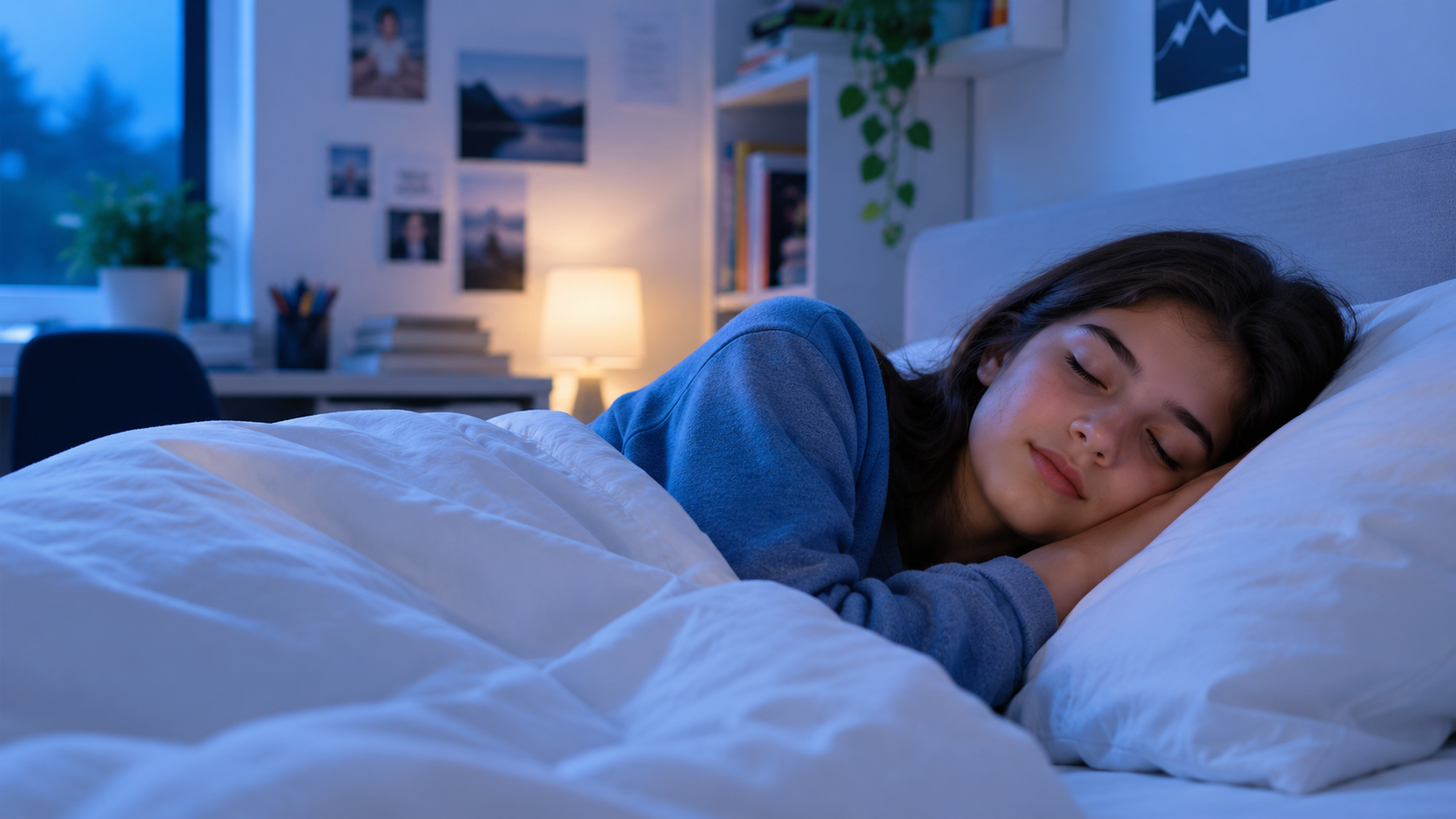
Teenagers generally need around 8–10 hours of sleep each night. However, many adolescents naturally become more inclined toward later bedtimes and later wake times. Early school or work schedules can therefore make it difficult for teenagers to get enough sleep, which may contribute to morning sleepiness and reduced daytime alertness.
During adolescence, the timing of the body clock can shift later. This means teenagers may naturally feel sleepy later in the evening than younger children. Social activities, schoolwork, smartphones, gaming and other evening activities can further delay bedtime and make it harder to get enough sleep on school nights.
A later biological sleep schedule combined with an early school or work start can make waking difficult. If a teenager goes to bed late but still needs to wake early, they may accumulate sleep loss and experience morning grogginess or daytime sleepiness.
Yes. Sleep commonly becomes lighter with age, and older adults may experience more frequent or longer nighttime awakenings. Deep sleep also tends to decrease as people get older. Occasional awakenings can therefore be part of normal aging, although persistent or disruptive sleep problems should be discussed with a healthcare professional.
Many older adults experience an earlier-timed circadian rhythm. They may feel sleepy earlier in the evening and naturally wake earlier in the morning. In some cases, this can result in waking very early, even when the person would prefer to sleep longer.
Sleep duration often decreases as people get older, although individual sleep needs vary. Healthy older adults may sleep fewer hours than younger adults without necessarily experiencing a problem. What matters is whether the person feels rested and functions normally during the day.
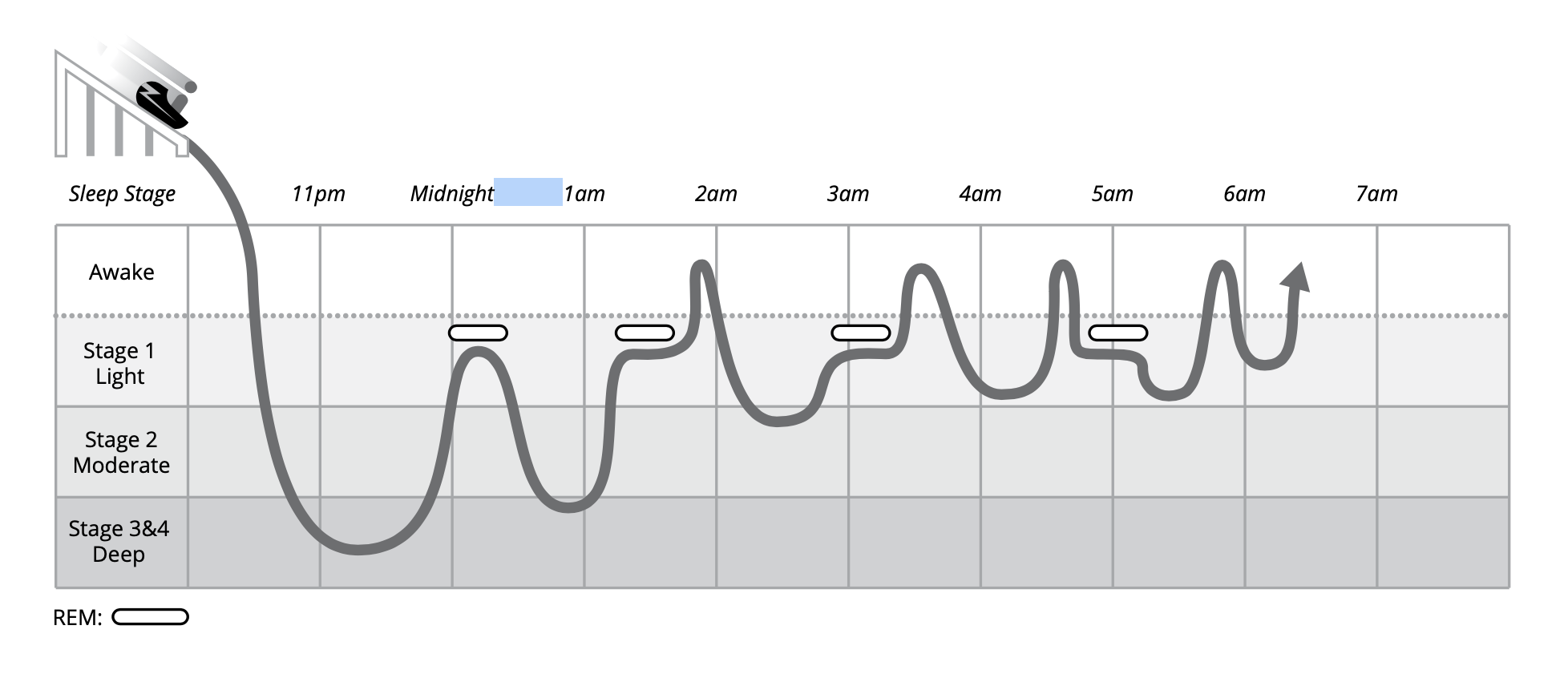
Ageing is associated with changes in sleep architecture, including less deep sleep and more time in lighter stages of sleep. These changes can make nighttime awakenings more noticeable. However, a change in sleep pattern does not automatically mean that sleep is unhealthy.
Menopause can affect sleep through hormonal and physical changes. Hot flushes and night sweats may cause nighttime awakenings, while changes in sleep patterns can make it harder to fall asleep or return to sleep. Persistent sleep disruption during or after menopause may contribute to daytime fatigue and should be discussed with a healthcare professional when it becomes troublesome.
Menopause can contribute to sleep difficulties, including difficulty falling asleep and repeated nighttime awakenings. Hot flushes, night sweats and other changes can interrupt sleep. If sleep problems occur regularly and affect daytime wellbeing, it is worth discussing them with a healthcare professional.
The circadian rhythm is the body’s internal timing system that helps regulate sleep and wakefulness over approximately a 24-hour cycle. Light is one of the strongest environmental signals that helps keep this rhythm aligned with the day-night cycle. Consistent sleep and wake times and appropriately timed light exposure can support a stable circadian rhythm.
Yes. The timing of light exposure can influence the body’s circadian rhythm and therefore affect sleep and wake timing. Bright light at different times of day can send different signals to the body’s internal clock. This is why appropriately timed light therapy may be used to help adjust circadian timing.
Light therapy involves controlled exposure to light at a particular intensity, wavelength and time of day to influence the body’s circadian rhythm. Depending on when it is used, light therapy can help shift the timing of sleep and wakefulness earlier or later.
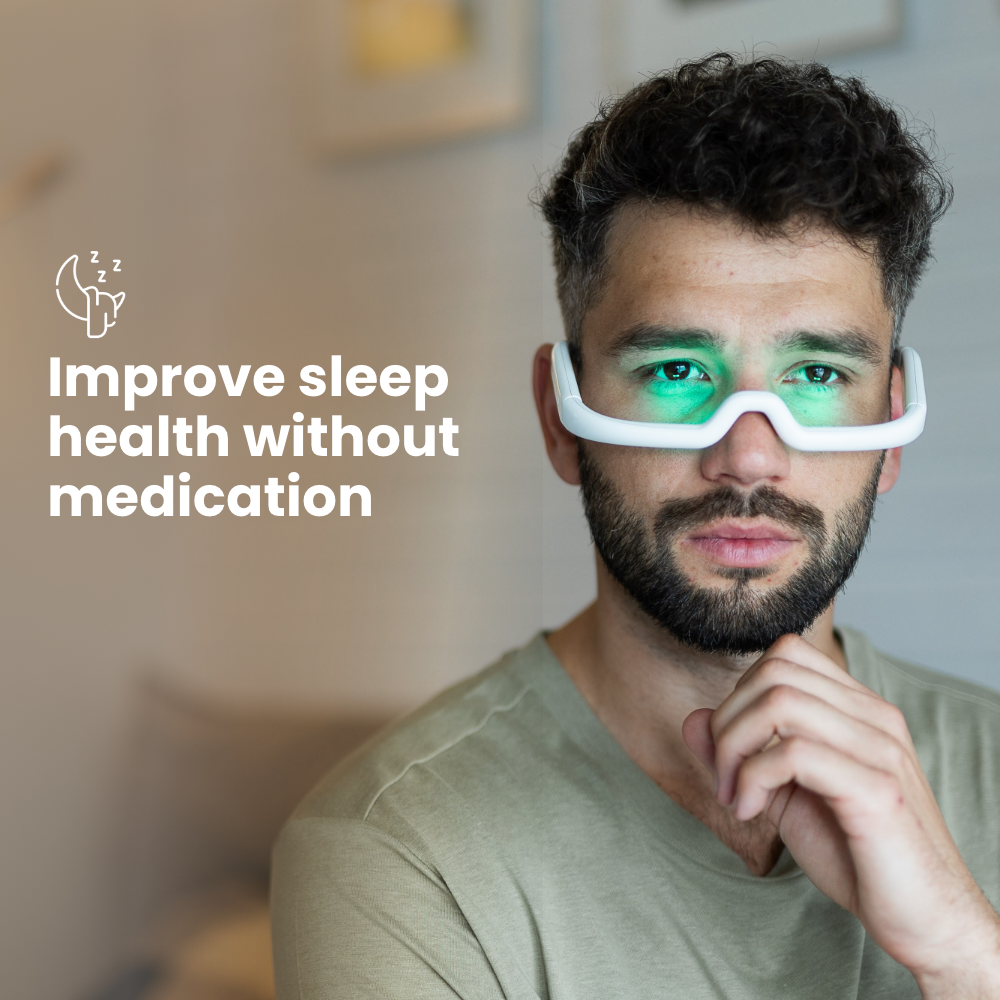
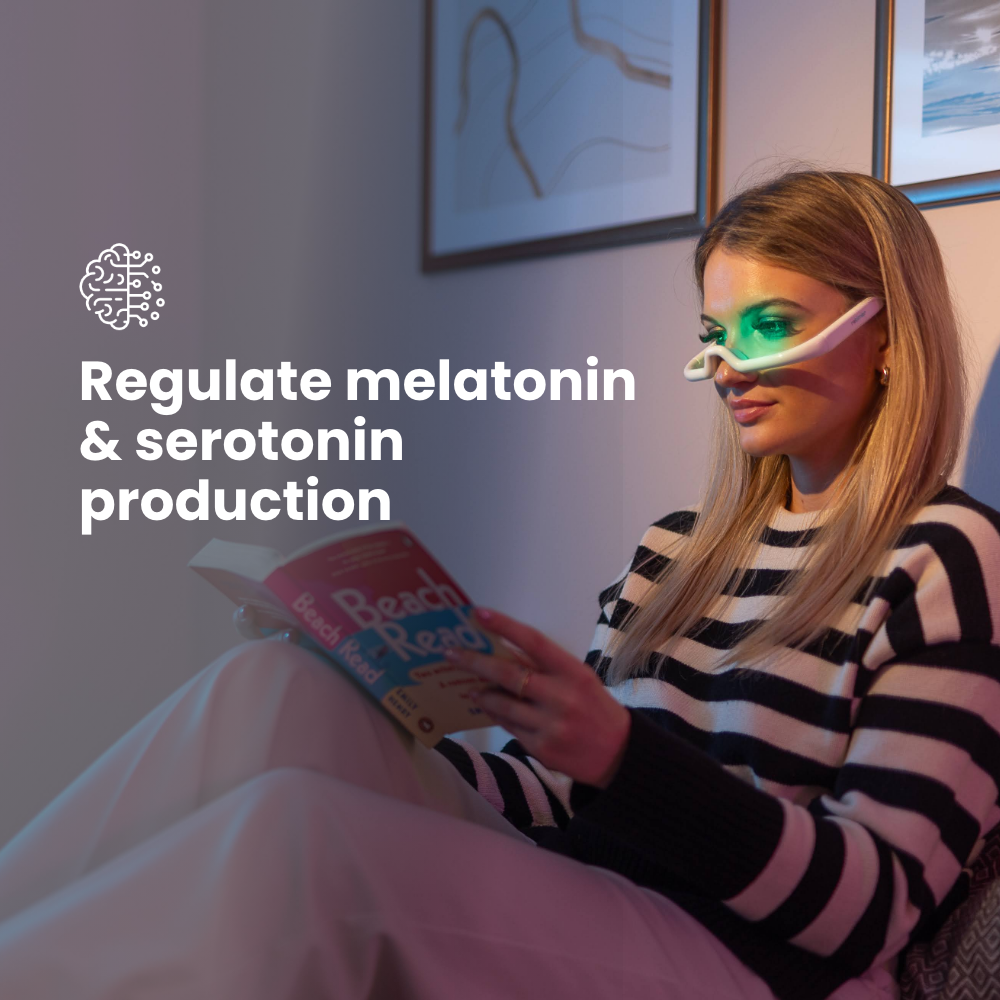
Appropriately timed light exposure can influence the timing of the circadian rhythm. retimer light therapy is designed to provide targeted light exposure that can help shift sleep and wake times. The appropriate timing depends on the individual’s sleep schedule and the direction in which the body clock needs to be adjusted.
Morning light is generally used when the goal is to shift sleep and wake times earlier. The precise timing can depend on an individual’s existing sleep schedule and desired outcome. For personalised guidance, people with persistent sleep or circadian problems should consult a healthcare professional.
Yes. Light exposure at an appropriate time in the evening can help shift the circadian rhythm later. The timing is important because light has different effects on the body clock depending on when it is received.
Light is an important cue for the circadian rhythm, and appropriately timed light exposure may help shift sleep timing. However, teenagers have unique sleep requirements and naturally tend toward later sleep schedules during adolescence. Persistent sleep problems should be assessed with guidance from an appropriate healthcare professional.
Older adults can develop an earlier circadian timing that contributes to early-morning awakening. Appropriately timed light therapy may be used to influence circadian timing, but the correct timing depends on the individual’s sleep pattern and desired change. Anyone with persistent early awakening should consider discussing the issue with a healthcare professional.
Common signs can include daytime sleepiness, fatigue, difficulty concentrating, irritability, reduced alertness and problems with memory or daily functioning. If insufficient or disrupted sleep occurs regularly, it is worth reviewing sleep habits and considering professional advice.
No. Brief awakenings can occur naturally during normal sleep cycles, and many people do not remember them. Occasional awakenings are not necessarily a problem if you return to sleep easily and feel reasonably rested during the day. Frequent or prolonged awakenings that affect daytime functioning may require further assessment.
Maintaining a consistent bedtime and wake time, creating a relaxing evening routine, keeping the bedroom dark and comfortable, limiting caffeine later in the day and reducing stimulating activities before bed can support healthy sleep. Regular daytime activity and exposure to natural light can also help reinforce the body’s sleep-wake rhythm.
Yes. Natural daylight is an important environmental cue for the circadian rhythm. Getting daylight earlier in the day can help reinforce the distinction between daytime and nighttime and support a consistent sleep-wake schedule.
Consider speaking with a healthcare professional if you regularly have difficulty falling asleep, frequently wake during the night, wake too early, experience excessive daytime sleepiness, or find that poor sleep is affecting work, learning, mood or everyday activities. Persistent sleep problems can sometimes be associated with an underlying sleep or circadian-rhythm disorder.
No. Light therapy should be considered as one part of a broader approach to healthy sleep and circadian-rhythm management. Consistent sleep and wake times, appropriate light exposure, a suitable sleep environment and healthy lifestyle habits remain important foundations for good sleep.