
Light is rarely thought of as a health intervention. It feels more like background noise, present when we wake up, work and when we scroll late into the night. So familiar that the conscious mind stops registering it. The body, however, never does.
Long before sleep trackers and productivity tools, the brain evolved to read light as information. Not just for vision, but for timing, when to wake, when to focus, when to release hormones, and when to sleep. In many ways, light is the original operating system for human biology.
Yet when energy dips, sleep becomes fragmented, or mood starts to wobble, most of us reach for effort or stimulation. Sometimes with more caffeine, at times with discipline or even looking for more hacks.
We rarely question the most powerful signal shaping all of it.
That signal is light.
Suprachiasmatic Nucleus (SCN), The Body’s Master Clock
Our brain runs on an internal timing system known as the circadian rhythm. It regulates when we feel alert or foggy, hungry or calm, wired or ready for rest. At the center of this circadian rhythm is a small cluster of nerve cells called the suprachiasmatic nucleus (SCN). The SCN acts as the body’s master clock, that coordinates daily cycles like sleep-wake patterns, and energy levels. Specifically, when and how light reaches the eyes, helping regulate melatonin.
Melatonin rising at the right time makes sleep feel effortless and restorative. A delayed or suppressed release of melatonin keeps the body alert long after the day has ended, even when exhaustion is obvious.
Well-timed light exposure allows our system to run quietly in the background. Too little light during the day or too much at night disrupts our body’s rhythm, and it gradually loses the sense of time.
This confusion often shows up as restless sleep, low energy, brain fog, emotional volatility, depressive symptoms, or low mood.
Why Light is Essential
Light is the body’s most powerful circadian cue. It communicates directly with the brain’s circadian system or the SCN, regulating when we feel alert, when hormones are released, and when the body prepares for sleep.
The master body clock (SCN) responds to light throughout the day, however the signal it receives in the morning is the one that sets the rhythm.

Modern neuroscience, brought into wider awareness by researchers such as Andrew Huberman., highlights that how critical early light exposure is for this system. Morning daylight tells the brain that the day has begun, triggering the natural rise in cortisol that supports alertness, mental clarity, and steady energy. This signal also anchors the circadian rhythm, helping the body time its evening wind-down and improving sleep later that night.
On bright mornings, a little time spent outdoors can be enough while cloudy days may require longer exposure.
When Sunlight isn’t an Option
Of course, real life doesn’t always cooperate.
Early meetings, night shifts, long commutes, dense cities, seasonal darkness, or frequent travel can make reliable morning light difficult.
Traditionally light boxes were used for artificial light exposure, however soon it became inconvenient to sit in front of this device and difficult to maintain daily routine.
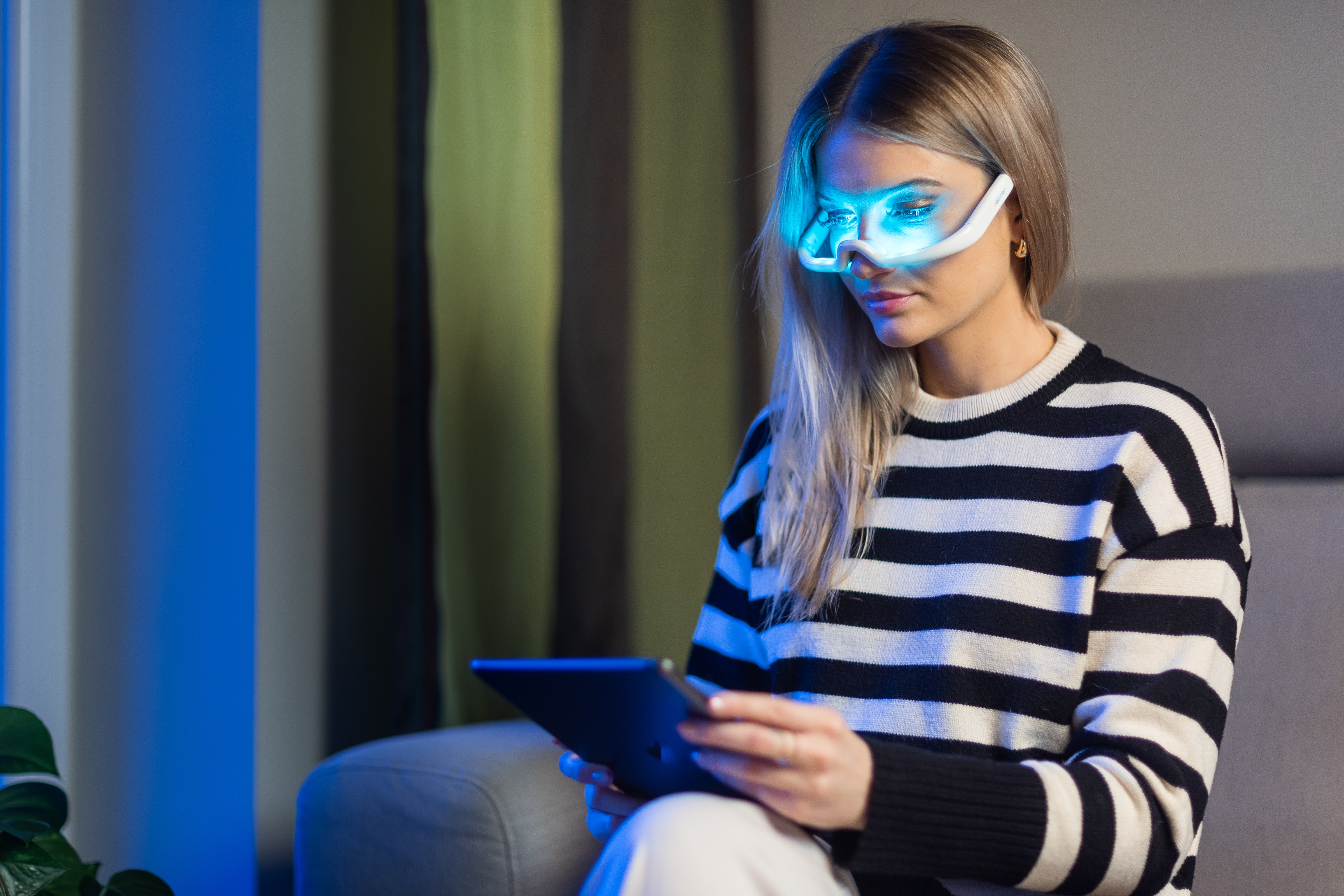
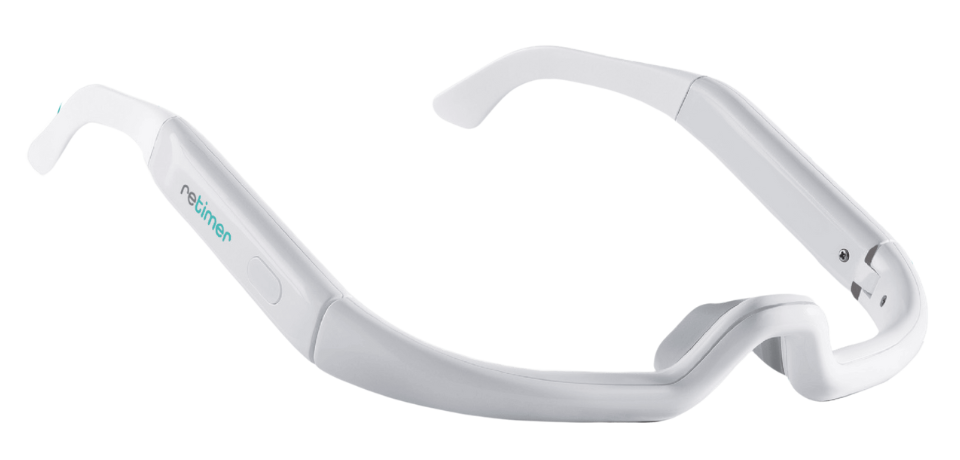
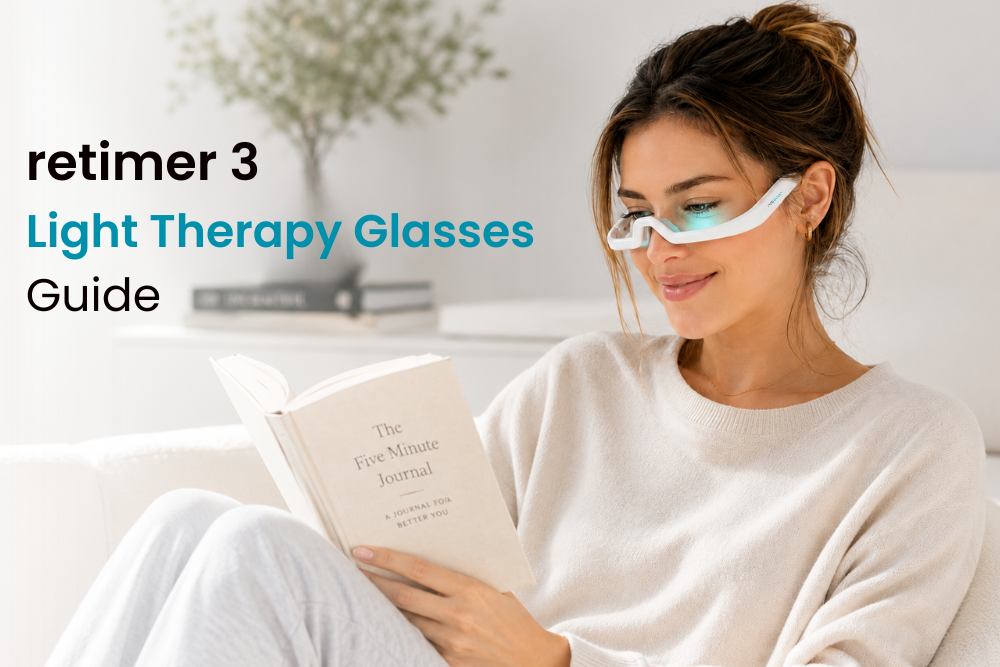
Light therapy glasses in contrast, are portable, lightweight and designed to replicate the timing and direction of natural morning light. They deliver a specific wavelength of blue-green light to the eyes, working with the same biological pathways the brain uses to interpret daylight and regulate the body clock.
This wavelength is particularly effective in influencing circadian rhythm. Delivered at the right time of day, it helps shift the body clock earlier or later, supporting more natural sleep and wake timing.
Used consistently for a short daily session, light therapy glasses can help realign circadian rhythm, making it easier to fall asleep, wake up at the desired time, and maintain better alertness during the day.
Mood, Hormones, and Focus
So how much does sleep impact the rest of our system? Quite a lot, and often in ways we only notice when it’s missing.
While light is often discussed for its role in sleep, the quality of that sleep shapes far more than our nights.
Sleep becoming irregular or insufficient causes the body’s hormonal rhythm to drift. Cortisol may stay elevated when it should fall, melatonin may arrive too late, and the biological timing that keeps the brain and body in sync may start to blur. The effects tend to surface during the day as irritability, unstable mood, reduced concentration, and mental fatigue.
Light exposure that supports healthy sleep produces the opposite effect. Hormones follow a steadier rhythm, the brain sustains focus more easily, and mood feels more stable.
Sleep, in this sense, is not just about rest. It is the foundation that allows mood, hormones, and focus to stay aligned through the day.
In short, light shapes sleep and sleep shapes mood, hormones and focus.
A balanced life often begins with light exposure at the right time.