The evolution of modern wellness has followed a predictable trajectory. We first mastered the art of movement, turning step-counts into a universal metric of health, ofcourse with some push from smart marketing. We then moved into the world of personalized nutrition, meticulously tracking food and supplements to fuel our performance. However, in 2026, the frontier of high-performance living is shifting toward the final pillar of health: sleep, the radical optimization of recovery.
As we approach Valentine’s Day, a holiday often defined by late-night celebrations and disrupted routines, there is a growing trend toward “sleepmaxxing”—the deliberate, data-driven pursuit of perfect rest. But the most significant development in this space isn’t just individual optimization; it is the realization that sleep is a collaborative endeavour.
The Shift Toward Collaborative Recovery
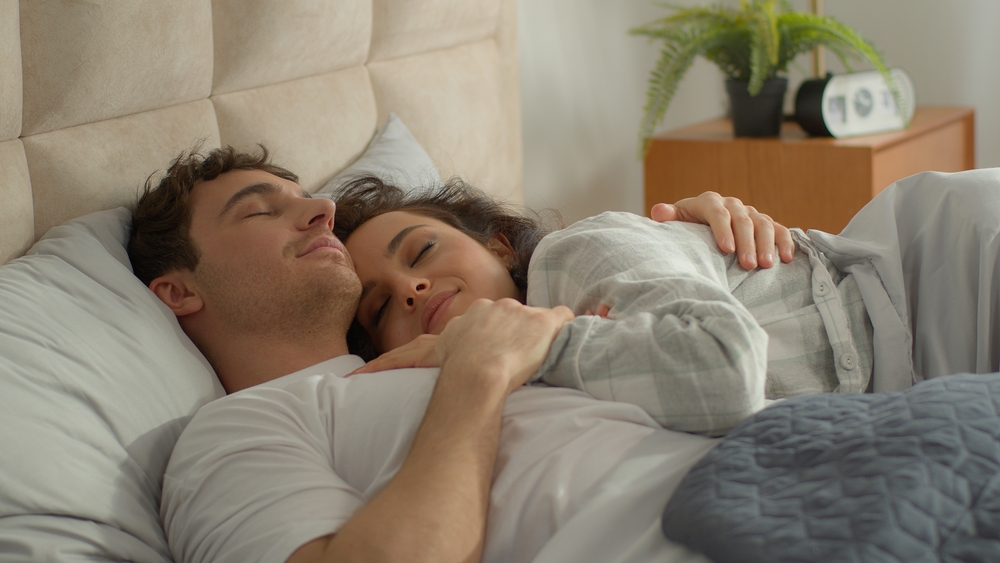
For high achievers, sleep is no longer just “down time” but a critical period of cognitive and physiological repair. When shared with a partner, however, this recovery can often become compromised with the “battle of the bedroom” – from differing preferences, thermoregulatory needs (one feels too hot/ too cold) to mismatched circadian rhythms, the person we love most can frequently be the greatest obstacle to our deep sleep.
So this year, the most sophisticated romantic gesture shouldn’t just be a grand evening out; but a commitment to communal rest. As we have spent years nudging our partners toward better fitness habits and higher daily activity levels, it is only logical that we now apply that same rigor to our night time environment.
Strategies for the Optimized Couple
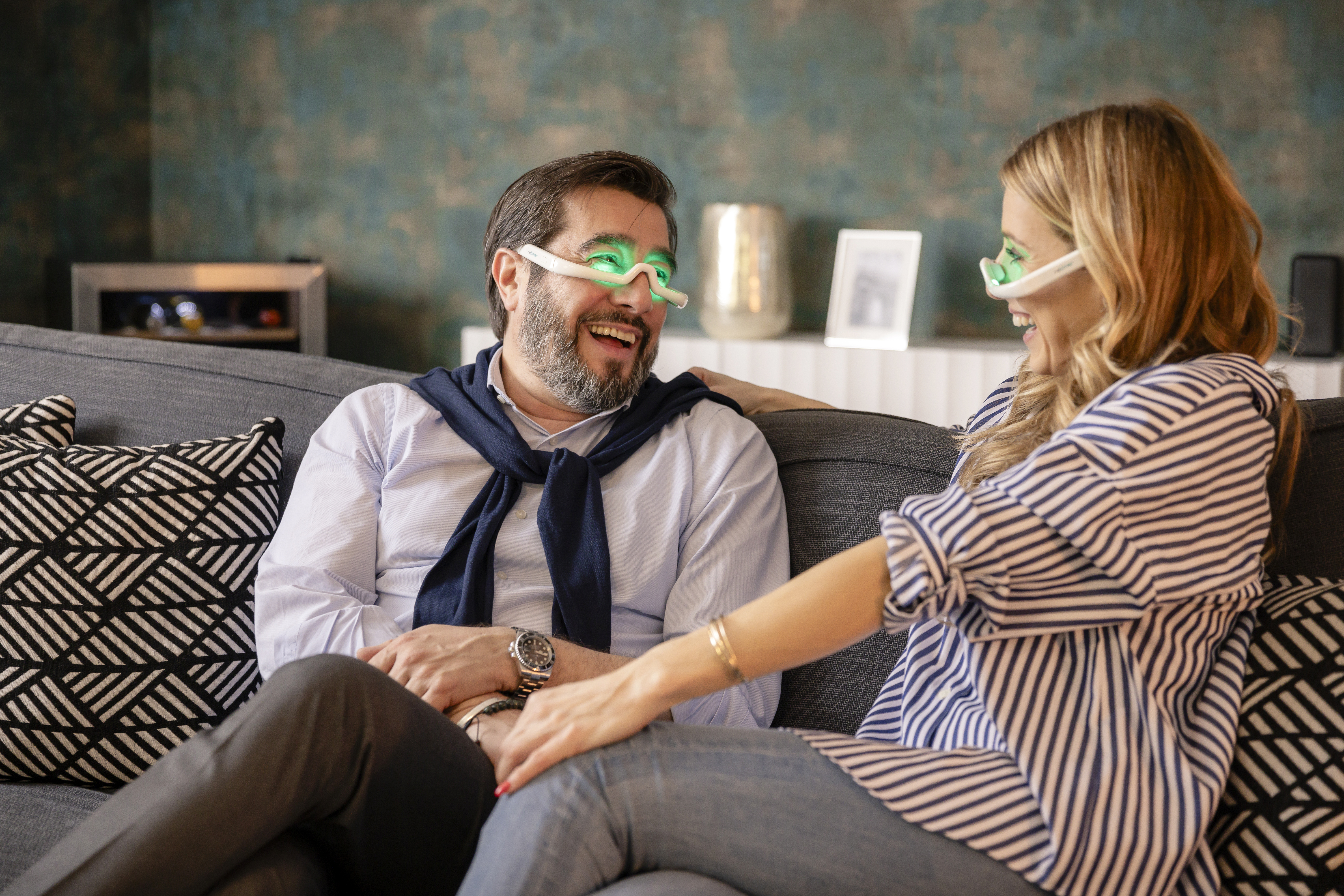
To elevate your shared sleep quality to a higher standard, consider implementing these three strategies:
- Micro-Climate Management: Individual core body temperatures vary significantly. The “Scandinavian Sleep Method”—utilizing two separate duvets instead of one—allows each partner to manage their own thermal environment without sacrificing the intimacy of a shared bed. This eliminates the “tug-of-war” over blankets that often triggers micro-awakenings.
- The Digital Sunset Protocol: Just as a high performing organization relies on a stable infrastructure, your brain relies on a stable neurochemical environment. Establishing a “no-screen, no-caffeine” rule ninety minutes before bed isn’t just a lifestyle choice; it is a tactical move to protect melatonin production. Use this time for low-light conversation or shared meditation, turning wind-down time into a relational ritual.
- The Feedback Loop: Use wearable technology to monitor Heart Rate Variability (HRV), sleep and recovery scores. By reviewing these metrics together, you move from subjective feelings (“I’m tired”) to objective data. This allows couples to identify shared stressors—such as late-night meals or caffeine —and adjust their lifestyle in tandem.
A Long-Term Investment in Longevity
Optimizing your sleep environment is a joint investment in a couple’s longevity and cognitive health. When both individuals are fully rested, emotional regulation improves, decision-making sharpens, and the quality of the relationship inevitably rises.
This February, move beyond the clichés of the season. Focus on the one-third of your lives that dictates the quality of the other two-thirds. Don’t just sleep with your partner; sleep better with your partner.