
Morning Bright Light: The holiday season is often filled with rituals, family time, and the promise of a fresh start. We sleep in late with slower starts, tend to loosen structure where nights run longer, mornings surface later, and fixed routines soften. This break from daily monotony can feel nice, but it often means missing the brief window when the body responds best to light. Over time, this missed cue adds up, even if we don’t immediately connect it to the weather.
While the holiday season in winter may seem festive, for many, it also lines up with darker, colder days that feel heavier than they should, in places where winter shortens daylight hours, mornings arrive late, and sunlight is easy to miss, especially when we laze and start the day late.
Managing Holiday Schedules
In many parts of the world, winter brings sunrises well after 8 or 9 am and sunsets by mid-afternoon. The window for natural morning light becomes surprisingly narrow. In places with frequent cloud cover or limited outdoor exposure, it can feel narrower still.
These Seasonal shifts are closely linked to what’s commonly known as winter blues, or Seasonal Affective Disorder (SAD). It’s not simply about feeling low. As daylight reduces and routines change, mornings can feel heavier, energy may dip, motivation can fade, and sleep often becomes less predictable. Tasks that usually feel manageable can start requiring more effort. This isn’t about willpower or mindset; it’s the body responding to shorter days and reduced light exposure.
Why Morning Light Matters
Morning light is a powerful cue to the body. It helps regulate sleep, wakefulness, and daily rhythm by signaling the brain to shift from rest mode into the day. When that signal is weak or missing, the internal clock can drift out of sync.
This misalignment is often linked to familiar winter blues symptoms like fatigue, low mood, difficulty waking up, and changes in sleep or appetite. It has a real say in how you sleep, how steady your energy feels, and how your mood holds up.
The light also plays an important role in fixing the misalignment and regulating the circadian rhythm, which coordinates sleep, hormones, and energy levels. It also helps reduce melatonin, the hormone that promotes sleep, while supporting serotonin production, which is closely tied to mood and emotional balance.
The link between light and mood has been highlighted in studies suggesting that people who spend more time in daylight report fewer symptoms of seasonal low mood, also known as winter blues, than those with very limited exposure. Other research indicates that bright light early in the day can support better sleep quality, earlier wake times, and steadier mood through the season.
Bringing Light Back to Winter Mornings
Early morning light quietly tells your body that the day has begun, helping set your internal clock. When that signal is weak or absent, sleep can turn uneven, mornings feel harder, and your mood can dip in small but noticeable ways even during festive, feel-good days.
When morning light is difficult to access due to weather, location, or work schedules, light therapy is one of the most widely studied ways to support winter blues. Clinical guidance often recommends exposure to bright light, typically around 10,000 lux, for at least 20 to 30 minutes in the morning. This level of brightness mirrors outdoor light and helps reinforce the body’s natural timing cues.
Research shows that consistent use of bright light therapy over several weeks can lead to noticeable improvements in mood, energy levels, and sleep patterns for many people experiencing seasonal low mood.
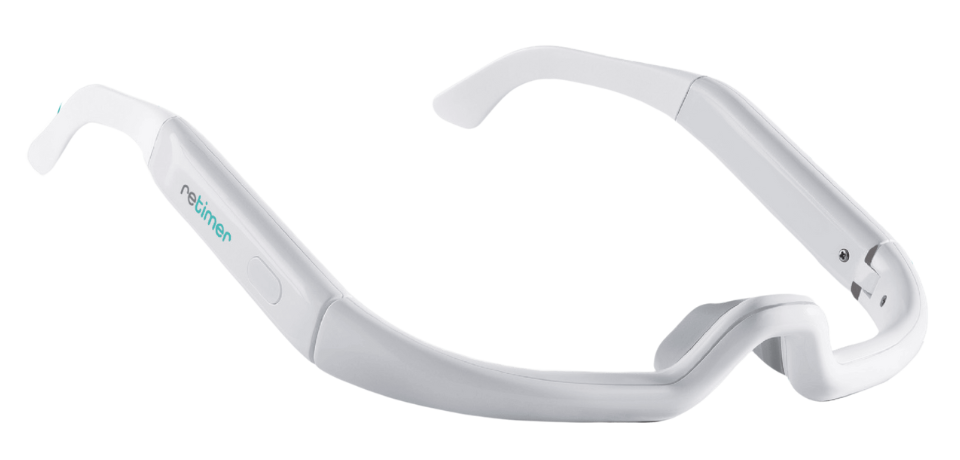
A More Flexible Way to Start the Day with retimer
Traditional light boxes work well for some people, but they require sitting in one place for a fixed amount of time. For those with early work hours, busy households, or morning chores, that setup can feel difficult to sustain.
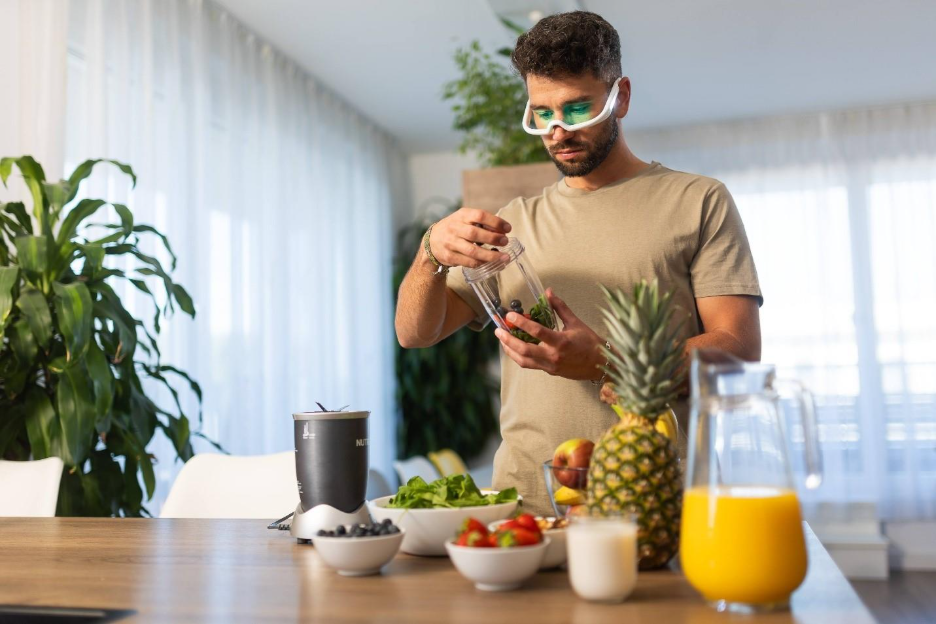
Light therapy glasses like retimer offer a more flexible and effective option. They deliver bright light into the eye while allowing people to move through their usual morning routines, whether that’s preparing breakfast, reading, or getting ready for the day. Used early, they aim to support the same biological cues as natural morning sunlight, helping with alertness, steadier energy, and daily rhythm alignment.
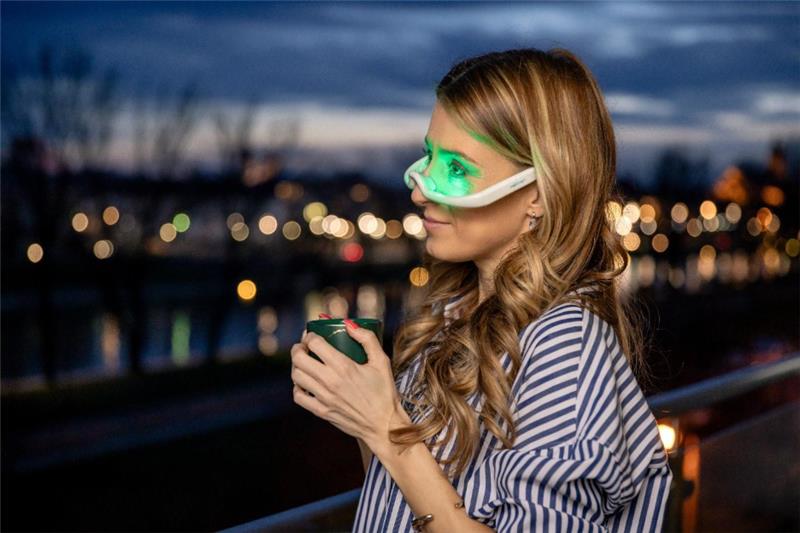
When access to natural morning light is limited, whether due to winter schedules, holiday routines, or indoor workdays, light therapy can help fill that gap. retimer light therapy glasses are designed to deliver bright light at the right time of day, supporting the signals the body typically receives from morning sun. With consistent early use, they can help reduce morning fogginess and support more stable energy levels.
The intention isn’t to replace sunlight, but to offer a practical option for days when real-world conditions make it harder to get enough of it.
Find The Light That Brightens Your Day
The most effective approach is the one that fits your life. For some, it’s the small, consistent choices that help, welcoming daylight first thing, stepping outside briefly, or gently rebuilding structure after holiday evenings run late. For others, supplementing natural light with light therapy offers a steadier way to support mornings within busy or indoor routines.
The holidays can be emotionally consuming in their own way. Between gatherings, expectations, travel, and social commitments, they ask a lot of people. Letting a lack of light quietly drain energy or dull enthusiasm only adds to that load. Supporting the body’s natural rhythms can help ensure that shorter days don’t end up overshadowing plans meant to be enjoyed.
Whether the season is spent surrounded by family and friends or in quieter moments alone, paying attention to light exposure is a simple way to support energy, mood, and presence. It’s a thoughtful choice that helps preserve the sense of ease and enjoyment the holidays are meant to bring.