The modern workday has been optimized almost to exhaustion. We track productivity in hours and outputs, design mornings for focus, and engineer evenings for recovery. Yet one familiar dip remains largely unquestioned, the afternoon slump.
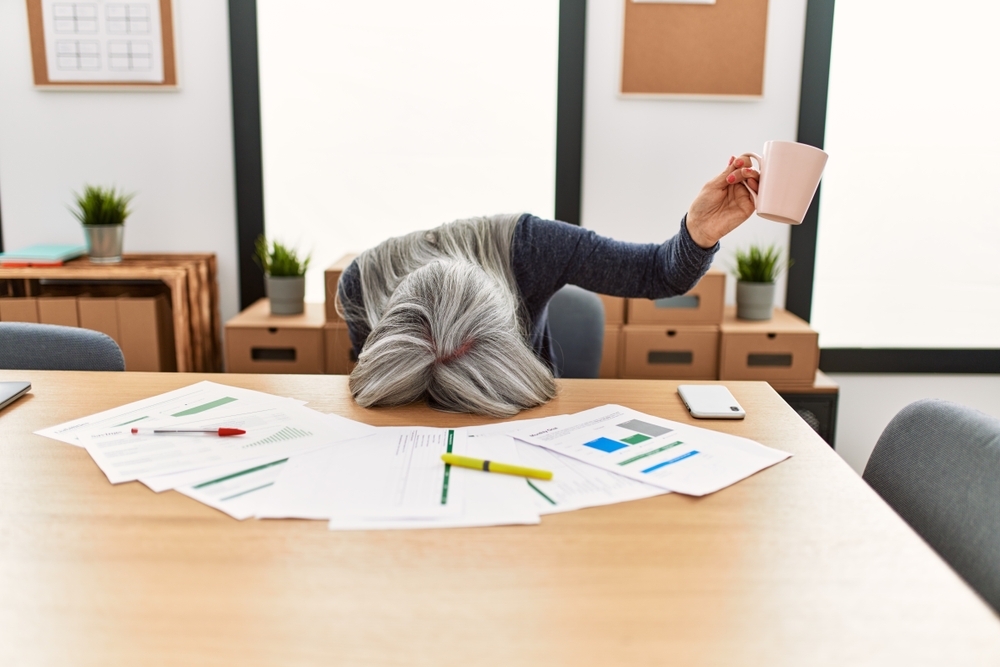
Somewhere post lunch to early dusk focus softens and reaction time becomes slow. Email drafts grow longer and less decisive. The response is predictable: another coffee, a sugary snack, or quiet acceptance that afternoons are simply meant to be endured.
This dip is a predictable biological response, and it’s not always about lunch. Increasingly, being sluggish could be related to light, rather lack of it.
Why Energy Drops Post-lunch

Afternoon sleepiness is often blamed on food, but digestion explains only part of it. The deeper driver is circadian rhythm, the body’s internal clock that regulates alertness across the day.
Humans are wired to experience a mild dip in wakefulness in the early to mid-afternoon. Historically, this was buffered by constant daylight exposure. Outdoor movement, changing light angles, and natural brightness kept the brain firmly anchored in daytime physiology.
Modern work environments have severed that connection. Indoor lighting is adequate for visibility but too weak to meaningfully stimulate the circadian system. As a result, the brain begins drifting toward evening mode earlier than intended. Drowsiness follows, even when sleep and nutrition are well managed.
This is why so many employees feel sleepy after lunch, regardless of how disciplined their routines are.
Improving Cognitive Performance with Light
Light is one of the strongest regulators of alertness and cognition. Sufficiently bright light suppresses melatonin, supports healthy cortisol rhythms, and sharpens reaction time and mental clarity.
This is where light therapy moves into the conversation around performance.
Exposure to bright light in the early afternoon can counter circadian dips and support sustained focus. Light works upstream, correcting circadian timing and reinforcing the brain’s understanding of daytime.
The effect is restored clarity.
retimer Supports Consistent Circadian Timing

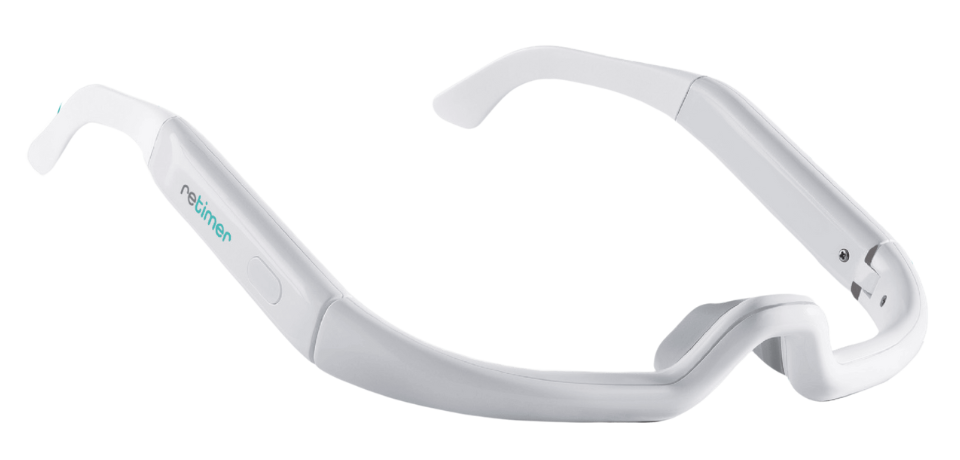
Consistent daylight exposure sounds simple, but during a full workday it’s often the first thing to slip. Meetings run long, screens take over, and time outdoors becomes optional rather than built in. This is where wearable light therapy glasses like retimer can make all the difference.
retimer is designed to replicate the effect of natural daylight. It delivers specific wavelengths of light, similar to morning sunlight, directly to the light receptors in the eyes that signal alertness to the brain. Because the light is precisely angled, it works without blocking vision or interrupting your work.
By providing targeted light at the right time of day, retimer gently supports your internal clock, helping your brain shift into a more awake, aligned rhythm. The result is not a jolt of stimulation, but a steadier sense of energy that feels more natural and easier to sustain.
When used earlier in the day or even in the early afternoon, retimer helps reinforce the body’s understanding that it is still daytime, easing the post lunch dip in alertness. Since it works by supporting circadian timing rather than pushing the nervous system, it encourages daytime clarity without compromising sleep later in the night.
Make the most of Your Day

Many workplaces quietly acknowledge the afternoon slump by scheduling lighter meetings or accepting slower responses. But avoidance isn’t optimization.
Forward-thinking organizations are beginning to treat light exposure the way they once treated ergonomics, as infrastructure. Employees who remain alert make better decisions, regulate emotions more effectively, and commit fewer errors later in the day. Over time, these gains compound.
Addressing the afternoon slump requires precision. Short, intentional exposure to bright light, for ~ 20 to 30 minutes in the early afternoon, is often enough. Timing matters. Late afternoon or evening exposure can interfere with sleep and undo the gains of the workday.
This is about aligning the environment with biology.
The afternoon slump has long been treated as inevitable. As circadian science deepens, that assumption no longer holds. Peak performance isn’t defined by how strongly you start the day. It’s defined by how intelligently you support your brain when it naturally begins to fade.