
As we grow older, changes in sleep and energy often happen gradually. Night sleep may become more broken, mornings slower, and the day’s energy may fade earlier than it used to. These shifts are easy to dismiss as “just aging,” but research points to changes in the body’s internal clock, also known as the circadian rhythm, which is a common underlying factor.
The role of the circadian rhythm in healthy aging
The aging eyes transmit less light to the brain, and daily routines often become less structured. More time indoors and less exposure to morning light can weaken the rhythm that helps the body stay aligned with the day–night cycle. Studies have shown that when this cycle drifts, it can affect sleep quality, daytime alertness, and emotional health in older adults.
Bright light therapy acts as a corrective signal, telling the brain exactly when the day has begun. Light entering the eye communicates directly with the brain’s timing center, helping regulate sleep, alertness, and hormone release. When this timing becomes more consistent, people often notice improvements in how rested, focused, and emotionally steady they feel throughout the day.
Research in older adults has shown that regular morning light exposure can support better daily functioning. Importantly, the benefits are not limited to sleep. Bright light also influences brain systems linked to alertness and emotional regulation, which can translate into better daytime energy and a more balanced mood.
How bright light therapy works
Most clinical studies suggest a simple protocol of 20 to 40 minutes of exposure shortly after waking. The effectiveness of this therapy depends less on sheer intensity and more on timing; consistent morning light helps anchor the body’s rhythm, whereas late-afternoon exposure can inadvertently push sleep times even later and interfere with rest.
Light box vs wearable options
Traditional setups involve sitting near a light box placed at eye level, slightly off to the side rather than directly in front of the eyes. While effective, this approach can be hard to maintain over time. Newer wearable options allow people to receive light while on the move, which makes daily use easier.
Consistency matters more than intensity. Using light at the same time each morning helps support the body’s natural rhythm, while late-afternoon or evening exposure may interfere with sleep.
retimer light therapy glasses designed for daily use
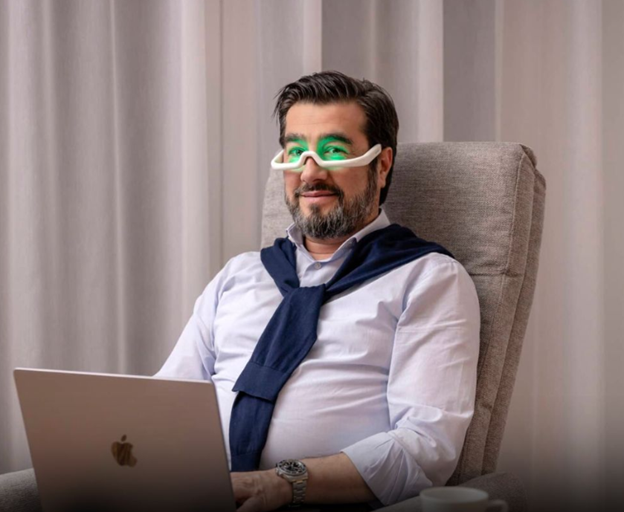
Bright light therapy has long been used to support sleep, energy, and emotional well-being. The biggest challenge has always been sticking to a routine. Sitting still in front of a light box every morning doesn’t always fit easily into real life.
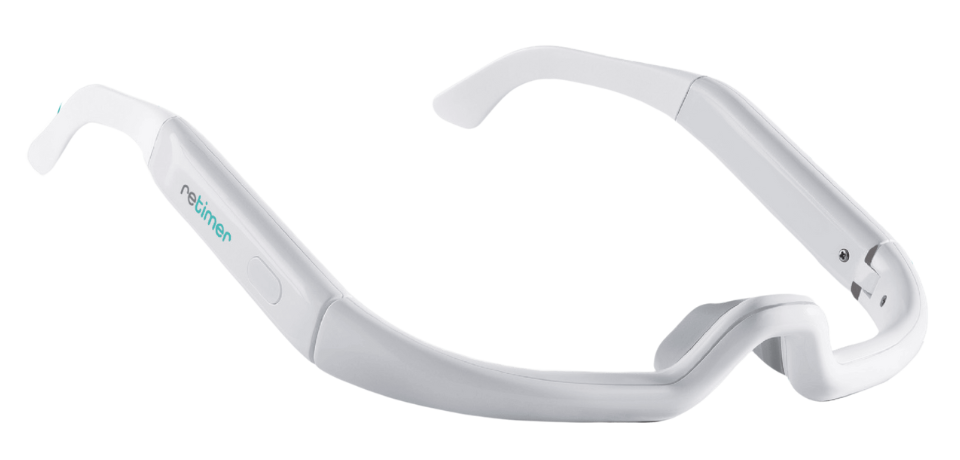
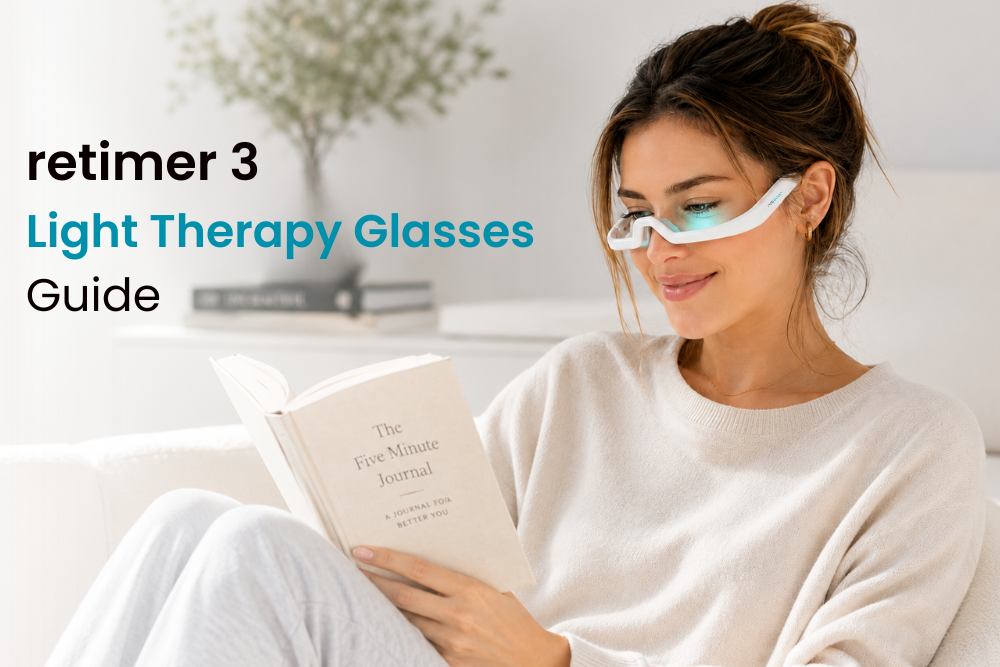
Wearable options such as retimer take a more practical approach. These light therapy glasses deliver a specific wavelength of blue-green light under the eyes, allowing users to go about their daily chores while receiving light exposure. Designed to be comfortable and easy to use, retimer can be worn over prescription eyewear and are suitable for daily use.
Research, including pilot work from the University of Michigan, indicates that older adults generally find wearable light therapy acceptable and easy to adhere to, a crucial factor for achieving long-term benefits.
A practical addition to everyday wellbeing

At its core, light therapy is a simple yet effective tool for reclaiming your day. It moves beyond just fixing broken sleep; it manages your internal clock so you can enjoy steady energy and a more balanced mood from morning to night, all without the need for medication.
While it is always advisable to consult a healthcare provider, especially for those with existing eye conditions or comorbidities, it remains a simple and effective way to reclaim a natural rhythm.
Light therapy is not a cure, nor a replacement for professional care when needed. But as part of a broader approach to wellbeing, sometimes the most effective change really is the simplest, starting the day with the right light.