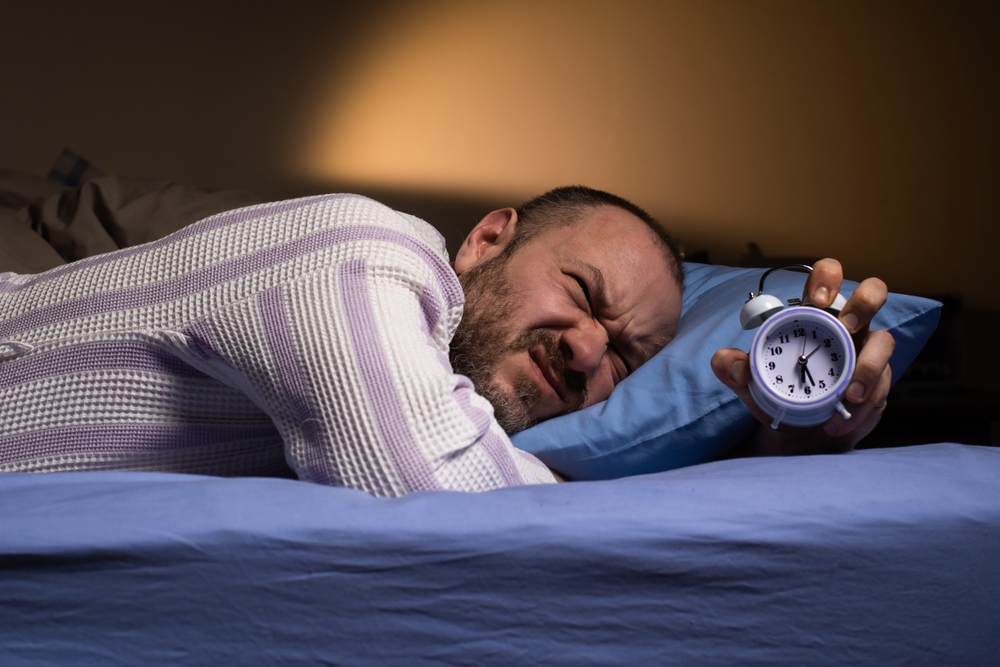
For many, the sound of an alarm clock is a jarring intrusion—a “biological tax” paid for living in a society that starts at 9:00 AM (or even earlier). If you are the kind of person that often finds yourself hitting the snooze repeatedly, you likely belong to the evening chronotype (the “night owl”). However, research into circadian rhythms and light therapy, pioneered by experts like Professor Leon Lack and the team at Re-Time, suggests that being a “morning person” isn’t just a lucky genetic draw; it is a state that can also be scientifically engineered.
In chronobiology, the “morning type” (or “Lark”) is characterized by an advanced sleep-wake cycle or circadian phase. This means their internal biological clock, the suprachiasmatic nucleus (SCN) in the brain triggers the release of melatonin earlier in the evening and initiates the “cortisol awakening response” earlier in the morning resulting in early awakening.
The benefits of this alignment are significant in modern life. Research published in Nature Communications (2019) suggests that individuals genetically predisposed to being early risers report higher levels of subjective well-being and a lower risk of depression and schizophrenia. Furthermore, because most professional and educational infrastructures are built around an “early to rise” schedule, morning types experience less “social jetlag”, the discrepancy between biological time and social time which is linked to better metabolic health and higher productivity.
The science of shifting your body clock
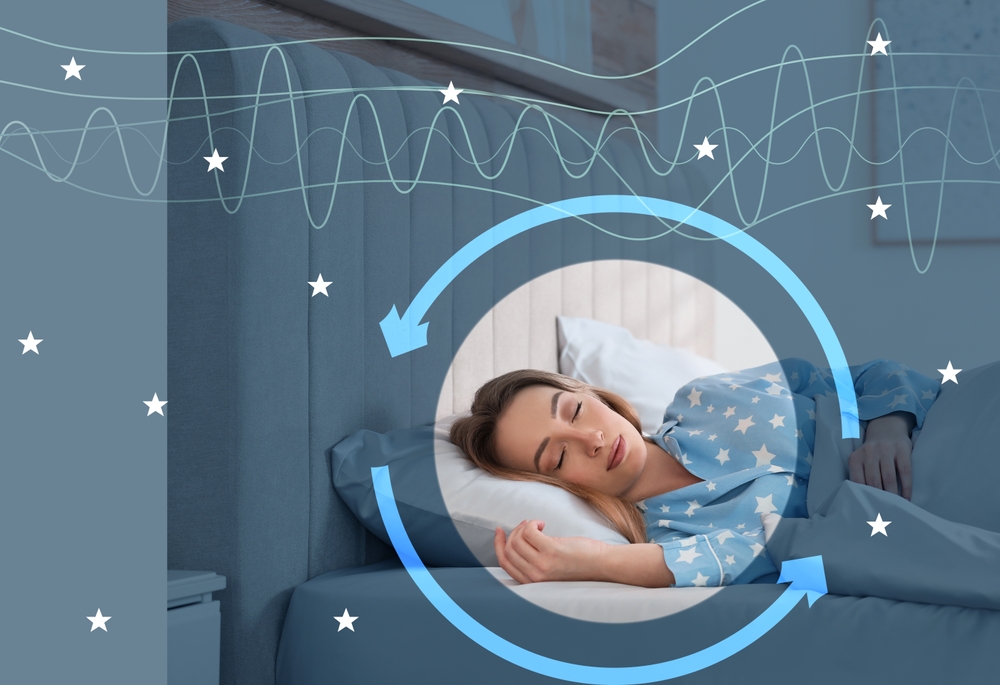
The human circadian rhythm is not fixed, it is “entrainable” by external cues known as zeitgebers (time-givers), with light being the most powerful. When the retina detects specific wavelengths of light, it signals the SCN to suppress melatonin and reset the body’s internal timer. This is possibly an evolutionary characteristic aligning with the rising and setting of the sun.
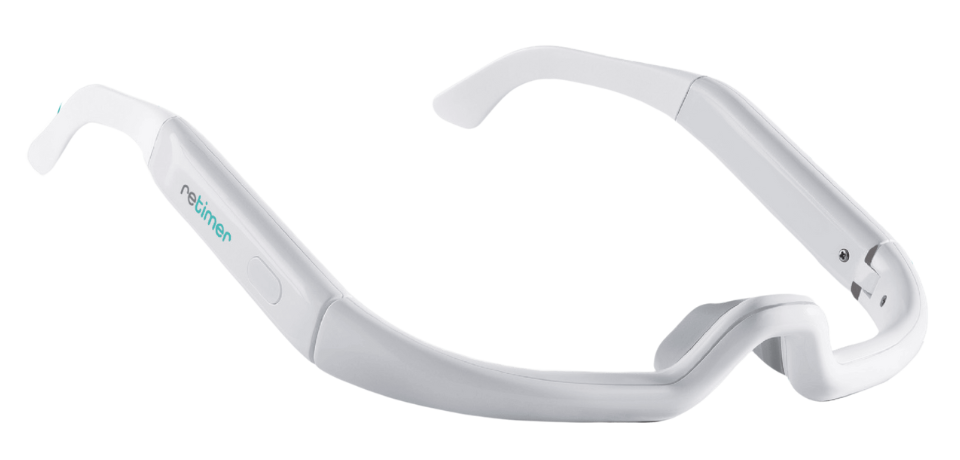
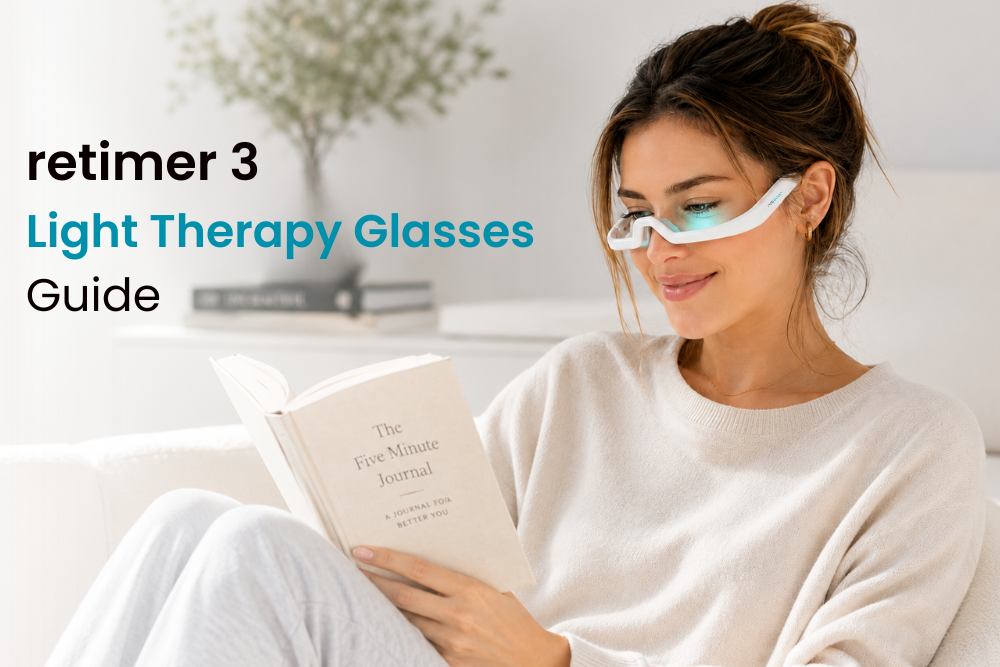
To become a morning person, you must “phase advance” your rhythm, and the retimer technology, developed over 25 years of research at Flinders University, utilizes this very principle. By delivering a blue-green light (dominant 500nm wavelength) to the eyes in the morning, the device mimics the sunrise, effectively telling the brain that the day has begun earlier than the body thinks. A study in Behavioral Sleep Medicine (Lack et al., 2007) demonstrated that properly timed bright light exposure can successfully treat Delayed Sleep Phase Disorder (DSPD), shifting sleep-wake cycles to an earlier, more socially compatible time.
Why light therapy works
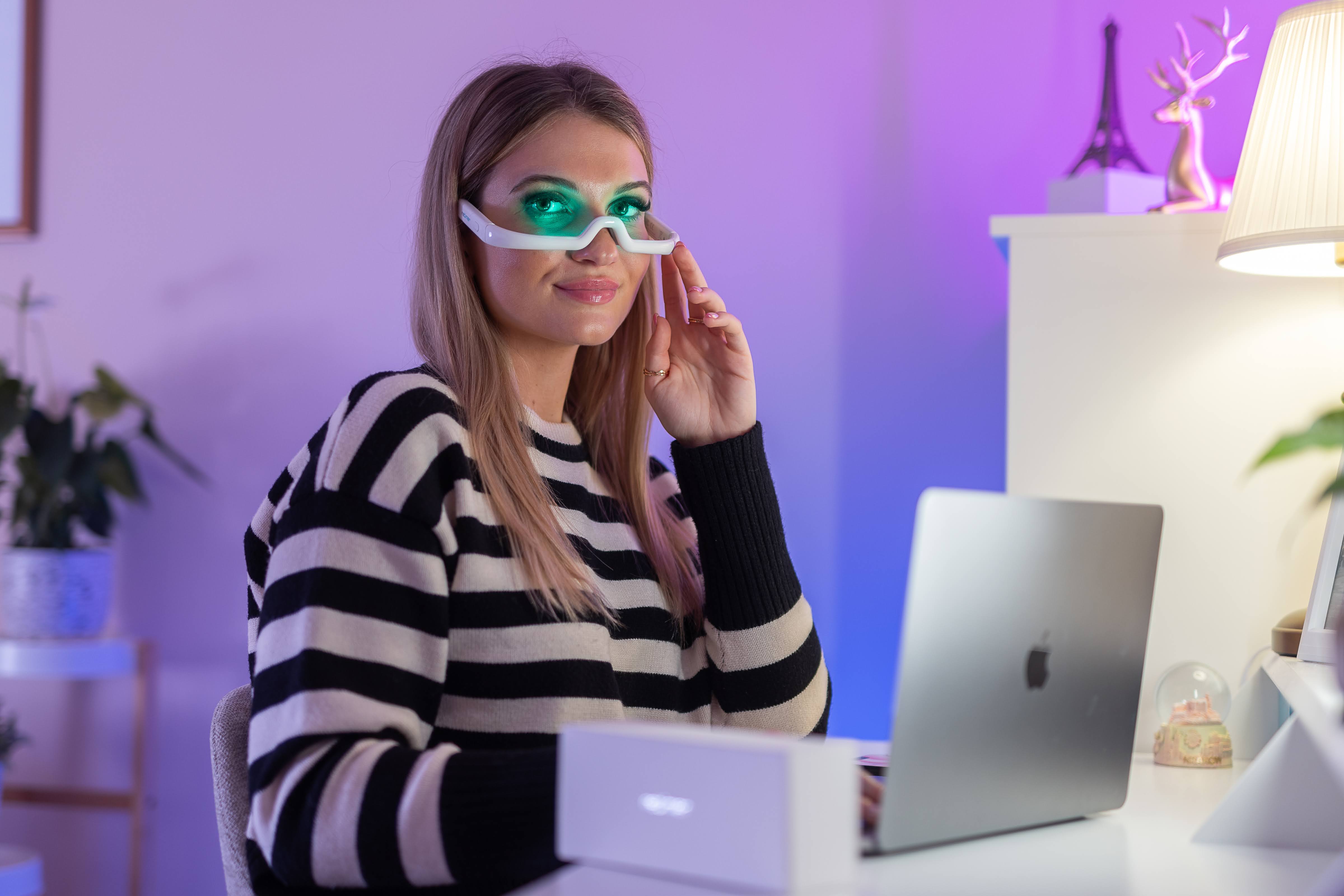
The effectiveness of light therapy specifically the wearable approach seen on retime.com.au lies in the “Phase Response Curve.” Exposure to bright light immediately upon waking (between 6:00 AM and 9:00 AM) causes a phase advance, consequently making you feel tired earlier the following night and more alert the next morning.
Unlike standard caffeine-heavy solutions, light therapy addresses the root cause of morning grogginess: sleep inertia. By suppressing melatonin production and boosting serotonin levels at the start of the day, you transition from sleep to wakefulness more efficiently. Scientific papers, such as those by Wright and Lack (2001), highlight that shorter-wavelength blue-green light is significantly more effective at regulating the body clock than standard white light, as it more precisely targets the melanopsin-containing cells in the retina without any stimulants or medications.
Align your clock for better mornings
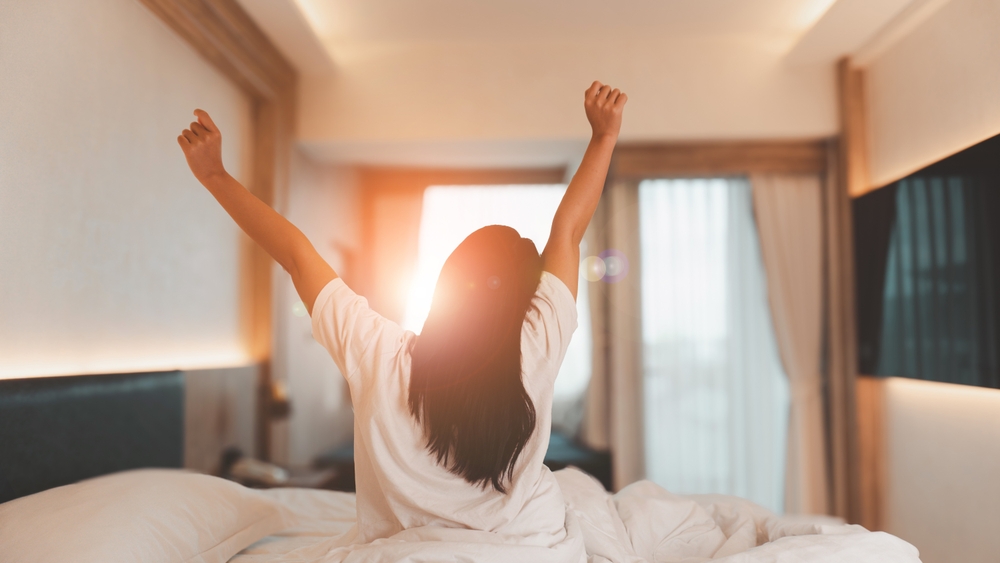
Stopping the war with your alarm clock requires moving from a strategy of “willpower” to one of “biology.” By leveraging light therapy to realign your circadian rhythm, you can harness the cognitive and psychological benefits of the morning chronotype, transforming those early hours from a struggle into a period of peak performance.
Sources
- Wavelength Efficacy: Wright, H. R., & Lack, L. C. (2001). “Effect of light wavelength on suppression and phase delay of the melatonin rhythm.” PubMed/Journal of Pineal Research.
- Core Finding: This landmark study established that shorter wavelengths (blue-green light around 497nm) are significantly more effective at suppressing melatonin and shifting the body clock than longer wavelengths like red or amber.
- Morning Light for Phase Advance: Lack, L. C., & Wright, H. R. (2004). “Differential effects of light wavelength in phase advancing the melatonin rhythm.” Journal of Biological Rhythms.
- Core Finding: This study demonstrated that blue-green light administered in the morning successfully “phase advanced” the circadian rhythm, helping subjects feel alert earlier in the day.
- Clinical Treatment: Lack, L. C., & Wright, H. R. (2007). “Clinical management of delayed sleep phase disorder.” Behavioral Sleep Medicine.
- Core Finding: This paper outlines how bright light therapy, specifically morning exposure, is a primary clinical treatment for Delayed Sleep Phase Disorder (DSPD), the medical term for extreme “night owls.”
Published Articles & Modern Studies
- Genetics and Well-being: Jones, S. E., et al. (2019). “Genome-wide association analyses of chronotype in 697,828 individuals provides insights into circadian biology.” Nature Communications.
- Significance: This massive study linked being a “morning person” to higher levels of self-reported well-being and lower risks of mental health issues like depression and schizophrenia.
- Social Jetlag & Health: Roenneberg, T., et al. (2012). “Social Jetlag and Obesity.” Current Biology.
- Significance: This research popularized the concept of “social jetlag”—the mismatch between biological time and social time—and its negative impact on metabolic health and productivity.